Audio

Best Headphones for Glasses Wearers (2026): 5 Comfortable Picks

Headphones, glasses and wireless earbuds on a desk next to a laptop

For most glasses wearers, the Bose QuietComfort Ultra Headphones (2nd Gen) ($449) are the best headphones: light, with ample padding and top noise cancelling. If you game, Turtle Beach’s Stealth 600 Gen 3 ($109.99) and Stealth 700 Gen 3 have ProSpecs cushions designed to leave a gap for your glasses arms. And if any over-ear headphones bother you, earbuds avoid the problem completely.

Check the Bose QC Ultra Headphones (2nd Gen) on Amazon →

How we put this together: this guide is based on manufacturers’ specifications and design claims and on published reviews from SoundGuys and others (linked below). It is not based on hands-on testing by iTech Level, and comfort depends on your head, ears and frames. Prices are list prices at the time of writing. See how we choose products.

Best headphones for glasses wearers compared

HeadphonesBest forWhy they suit glassesBatteryList priceBuy
Bose QC Ultra Headphones (2nd Gen)Best overall, travelLight build, ample padding (SoundGuys)Up to 30 hr with ANC$449Check price
Turtle Beach Stealth 700 Gen 3Gaming on several systemsProSpecs glasses-relief cushionsUp to 80 hr$199.99Check price
Turtle Beach Stealth 600 Gen 3Best valueProSpecs glasses-relief cushionsUp to 80 hr$109.99Check price
LucidSound LS500Cheapest wireless“Pressure-free, secure fit that’s glasses-friendly” (PowerA)Up to 50 hr wireless, 70 Bluetooth$69.99Check price
Apple AirPods Pro 3No pressure at all (earbuds)Nothing touches your framesUp to 8 hr with ANC$249Check price

Why headphones hurt with glasses

Over-ear headphones press their cushions against the side of your head, and your glasses arms sit right under them. Three things decide whether that hurts:

  • Clamping force: how hard the headband squeezes. Tight headphones push the arms into your temples and behind your ears.
  • Cushion softness and depth: soft, thick padding molds around the arms instead of pressing them in. Thin pads leave less room.
  • Weight: heavier headphones need more clamping force to stay put.

Glasses also break the seal around your ears a little, which can weaken noise cancelling and bass. SoundGuys notes this with the Sony WH-1000XM6: “Those with glasses might find that interrupting the seal can lead to somewhat unpredictable results with low-end noise cancelation” (SoundGuys). Thin glasses arms help with both comfort and the seal.

The best headphones for glasses wearers in 2026

1. Bose QuietComfort Ultra Headphones (2nd Gen): best overall

Bose’s QuietComfort line is built around comfort, and the second-generation QC Ultra keep that up. SoundGuys calls them “a rather comfortable set of over-ear, ANC headphones, with angled drivers, a sliding band, and ample padding,” and notes that the plastic build makes them “mercifully light in comparison to other models” (SoundGuys). Light weight and soft padding are what you want over glasses arms. Bose rates them at up to 30 hours with noise cancelling, and they add USB-C audio for wired listening (Bose).

Good to know: SoundGuys’ only long-wear complaints were heat buildup and ears touching the inside of the padding. At $449 they’re expensive, but they’re often discounted.

Check the QC Ultra Headphones (2nd Gen) on Amazon →

2. Turtle Beach Stealth 700 Gen 3: best for gaming with glasses

Turtle Beach is one of the few brands that designs for glasses on purpose. Its ProSpecs cushions use softer foam where your frames sit to “create a gap” for them, which Turtle Beach says means “dramatically less pressure and more comfortable long sessions” (Turtle Beach). The Stealth 700 Gen 3 ($199.99) add up to 80 hours of battery, Bluetooth 5.2 at the same time as the game connection, and two USB transmitters so you can switch between Xbox and PlayStation or PC with a button (Turtle Beach). See our best Xbox headsets for more.

Check the Stealth 700 Gen 3 on Amazon →

3. Turtle Beach Stealth 600 Gen 3: best value

The Stealth 600 Gen 3 ($109.99) have the same ProSpecs glasses-friendly cushions and the same 80-hour battery rating, with Bluetooth 5.2 for your phone. They work with Xbox, PlayStation, PC, Steam Deck and Bluetooth phones (Turtle Beach). They’re a gaming headset, so there’s no noise cancelling for travel, but at home they’re the most glasses-friendly headphones you can get for around $100.

Check the Stealth 600 Gen 3 on Amazon →

4. LucidSound LS500: cheapest glasses-friendly wireless

PowerA describes the LS500 ($69.99) as “engineered for a pressure-free, secure fit that’s glasses-friendly,” with breathable earcups. They weigh 265 g, last up to 50 hours on the USB dongle or 70 over Bluetooth, and work with PS5, PC and phones (PowerA); the LS500X version adds Xbox. They’re also our budget pick in best gaming headsets.

Check the LucidSound LS500 on Amazon →

5. Apple AirPods Pro 3 (or any good earbuds): skip the problem

If every pair of over-ear headphones gives you a headache, switch to earbuds: nothing touches your glasses arms, and the seal doesn’t depend on your frames. The AirPods Pro 3 ($249) have Apple’s strongest noise cancelling and last up to 8 hours with it on (Apple). On Android, see our best noise-cancelling earbuds. One caution: ear-hook and wrap-around designs, such as many sport and bone-conduction models, rest on top of the ear where glasses arms also sit, so they can crowd your frames.

Check the AirPods Pro 3 on Amazon →

Be careful with: Sony WH-1000XM6

Sony’s XM6 are among the best noise-cancelling headphones overall, but they’re a riskier pick if you wear glasses. SoundGuys made comfort its “biggest gripe,” saying “the pads are relatively thin” and “don’t leave much room between the plastic chassis of the headphones and your skin,” and warned that glasses can make the low-end noise cancelling unpredictable (SoundGuys). Try them on with your glasses before buying, or buy from a store with easy returns.

Tips for wearing headphones with glasses

  • Put your glasses on first, then the headphones, so the cushions settle over the arms rather than the arms being pushed under them.
  • Adjust the headband so the cushions sit evenly over the arms, not pressing on one spot behind the ear.
  • Thin, flat arms are much more comfortable under headphones than thick acetate ones. If you buy new frames, it’s worth considering.
  • Try before you buy when you can, and keep the receipt: comfort is personal.

Our verdict

The Bose QuietComfort Ultra Headphones (2nd Gen) are the best headphones for glasses wearers who want noise cancelling for travel and work: light, with ample padding. For gaming, Turtle Beach’s ProSpecs headsets are designed for glasses, with the Stealth 600 Gen 3 the best value and the Stealth 700 Gen 3 the most flexible. On a tight budget, the LucidSound LS500 are glasses-friendly for $70. And if over-ears never feel right, earbuds like the AirPods Pro 3 avoid the problem.

Frequently asked questions

What are the best headphones for people who wear glasses?

The Bose QuietComfort Ultra Headphones (2nd Gen) for most people, thanks to their light build and ample padding. For gaming, Turtle Beach headsets with ProSpecs cushions, such as the Stealth 600 Gen 3 and Stealth 700 Gen 3, are designed to leave room for glasses arms.

Why do headphones hurt when I wear glasses?

The headband’s clamping force presses the cushions onto your glasses arms, pushing them into your temples and behind your ears. Light headphones with soft, thick cushions and a gentle clamp hurt least.

Do glasses affect noise cancelling?

They can. Glasses arms break the seal around your ears slightly, which can weaken noise cancelling and bass, especially with thin ear pads. Thin frames and soft, deep cushions reduce the effect.

What is Turtle Beach ProSpecs?

ProSpecs is Turtle Beach’s glasses-relief design: the cushions use softer foam where your frames sit to create a gap for them, reducing pressure during long sessions. It’s on headsets such as the Stealth 600 Gen 3 and Stealth 700 Gen 3.

Are earbuds better than headphones for glasses wearers?

For comfort, often yes, because nothing presses on your frames. In-ear buds like the AirPods Pro 3 are the safest choice; ear-hook and wrap-around designs can crowd your glasses arms.

Related guides

Best Headphones for Glasses Wearers (2026): 5 Comfortable Picks Read More »
Best Headphones for Hearing Footsteps in Games (2026): 6 Picks for FPS

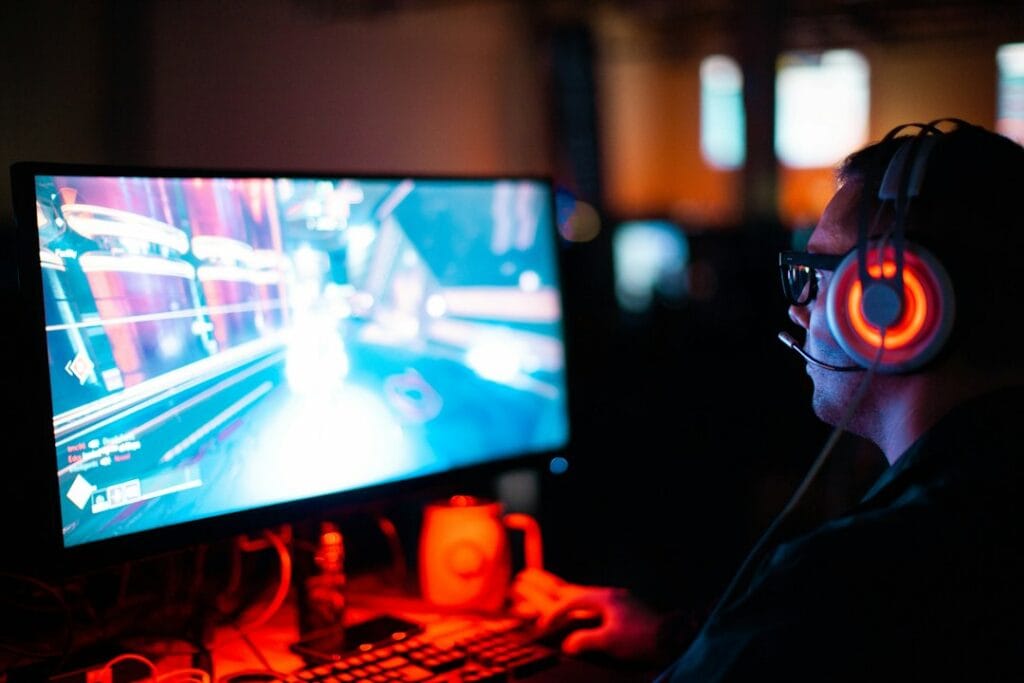
Person playing an FPS game on a PC

To hear footsteps clearly in shooters, the best all-round headset is the Razer BlackShark V3 (about $150): PC Gamer praises its clear mids for picking out in-game detail, and its low-latency wireless works on PC and PS5. If you play at a quiet desk, an open-back headset gives a wider, more natural soundstage: the Drop PC38X ($170) is the value pick and the ASUS ROG Kithara ($299) the premium one. Settings matter as much as hardware, so read the setup section below too.

Check the Razer BlackShark V3 on Amazon →

Check the BlackShark V3 at Razer.com →

How we put this together: this guide is based on manufacturers’ specifications and published reviews from PC Gamer, SoundGuys, Hardware Canucks and others (linked below). It is not based on hands-on testing by iTech Level. Prices are list or typical street prices at the time of writing. See how we choose products.

Best headphones for footsteps compared

HeadsetBest forDesignConnectionPriceBuy
Razer BlackShark V3Best overall, PC and PS5Closed-back, 270 g2.4GHz, Bluetooth, USBAbout $150Check price
Drop PC38XBest open-back valueOpen-back, boom micWired 3.5 mm$170Check price
ASUS ROG KitharaPremium open-backOpen-back planar, 420 gWired (3.5 mm, balanced, 6.3 mm, USB-C)$299Check price
Audeze Maxwell 2Best wireless soundClosed-back planar, 560 g2.4GHz, Bluetooth, USB-C, 3.5 mmAbout $329Check price
HyperX Cloud AlphaBest budget (wired)Closed-back, dual-chamber driversWired 3.5 mmOften under listCheck price
SteelSeries Arctis Nova 5 / 5XConsoles, with game presetsClosed-back, 265 g2.4GHz USB-C, BluetoothAbout $130Check price

What makes headphones good for hearing footsteps?

  • Clear mids and highs, controlled bass. Footsteps, reloads and doors sit mostly above the bass range. Heavy bass sounds exciting but can mask them, so a headset that keeps its bass separate from the mids helps more than one that simply booms.
  • Imaging and soundstage. Imaging is how precisely you can place a sound; soundstage is how wide and spacious it feels. Open-back headphones let sound escape behind the drivers instead of bouncing inside a sealed cup, which SoundGuys says avoids “unwanted reflections and resonances” (SoundGuys).
  • Low latency. A wired connection or a 2.4GHz dongle; regular Bluetooth adds a delay you can hear (see our Bluetooth headphones for gaming guide).
  • Comfort for long sessions, since you’ll wear them for hours.

Open-back vs closed-back: open-back headphones usually sound wider and more natural, but they block no outside noise and leak sound into the room, so they suit a quiet desk, not a shared room or a noisy LAN. Closed-back headsets isolate you and work anywhere, with a slightly narrower presentation.

The best headphones for footsteps in 2026

1. Razer BlackShark V3: best overall

The BlackShark V3 is our top gaming headset overall, and it’s well suited to competitive shooters. PC Gamer rates it the best gaming headset overall, praising its clear mids for picking out in-game detail (PC Gamer). It weighs 270 g, connects over Razer’s 2.4GHz HyperSpeed dongle, Bluetooth or USB, and has a low-latency mode that Razer says cuts wireless delay to as little as 10 ms; the battery is rated at up to 70 hours (Razer).

Good to know: the 10 ms mode drains the battery faster, and the standard V3 doesn’t work wirelessly with Xbox. More in our best gaming headsets.

Check the BlackShark V3 on Amazon →

Check the BlackShark V3 at Razer.com →

2. Drop PC38X: best open-back value

The PC38X is an open-back gaming headset made with Sennheiser-derived drivers, sold by Drop for about $170, with a boom mic that mutes when you flip it up. Hardware Canucks praised its “beautiful soundstage expansion” and comfort, saying “you can wear this headset for 8 hours a day without any pressure fatigue,” and its low 28-ohm impedance means it doesn’t need an amplifier (Hardware Canucks). It plugs into a PC, a controller or any 3.5 mm jack.

Good to know: it’s wired only, and as an open-back design it leaks sound and lets room noise in.

Check the Drop PC38X on Amazon →

3. ASUS ROG Kithara: best premium open-back

The Kithara ($299) is a gaming headset built with HiFiMAN around 100 mm planar magnetic drivers, with a detachable full-band MEMS boom mic. SoundGuys notes that the drivers’ speed “should allow critical audio cues, such as footsteps and weapon reloads, to remain well-defined,” and that the open design avoids the reflections of sealed cups (SoundGuys). It comes with a gaming cable with the mic and a hi-fi cable with 3.5 mm, balanced, 6.3 mm and USB-C connections.

Good to know: at 420 g it’s heavier than most gaming headsets, it’s wired only, and SoundGuys points out the trade-off of open-back: “environmental sounds enter freely and audio leaks out.”

Check the ROG Kithara on Amazon →

4. Audeze Maxwell 2: best wireless sound quality

If you want the detail of planar magnetic drivers without a cable, the Maxwell 2 uses 90 mm planars with Audeze’s SLAM design for deeper bass that doesn’t cover up detail. It connects over a 2.4GHz dongle, Bluetooth, USB-C or 3.5 mm, with up to 80 hours of battery and an AI noise-reducing boom mic. RTINGS and PC Gamer both rank it their top wireless pick for audio (RTINGS). Good to know: at 560 g it’s very heavy, and some reviewers found it uncomfortable over long sessions.

Check the Maxwell 2 on Amazon →

5. HyperX Cloud Alpha: best on a budget

The wired Cloud Alpha uses dual-chamber drivers that separate the bass from the mids and highs, giving a full low end without muddying footsteps and voices. It plugs into anything with a 3.5 mm jack, including PS5 and Xbox controllers, so there’s no wireless delay, and it’s often discounted well below list price. PC Gamer names it the best wired gaming headset (PC Gamer).

Check the Cloud Alpha on Amazon →

6. SteelSeries Arctis Nova 5 / Nova 5X: best for consoles

On a console you can’t run PC audio software, which is where the Nova 5 helps: its companion phone app has audio presets for more than 100 games, so you can load a shooter’s preset without a PC. Its USB-C dongle works with PS5, PC, Switch 2 and handhelds, the Nova 5X adds Xbox, and SteelSeries rates the battery at up to 60 hours (SteelSeries).

Check the Arctis Nova 5 on Amazon →

How to hear footsteps better: settings that matter

  • Pick the game’s headphone mode. Many shooters have an audio output setting for headphones; use it instead of a speaker or TV mode, so the game mixes positional sound for two ears.
  • Use one virtual surround layer, not two. Windows can add spatial sound (Settings > System > Sound > your headphones > Spatial sound > Windows Sonic for Headphones), and Dolby Atmos and DTS are available from the Microsoft Store (Microsoft). If the game already does its own 3D audio, stacking another layer on top can blur positions, so try each and keep what sounds clearest.
  • Use an FPS or footsteps EQ preset rather than a bass boost. The LucidSound LS500, for example, has an FPS mode, and SteelSeries’ app has presets for more than 100 games.
  • Turn down music and voice chat, and avoid “loudness” or “bass enhancement” effects that compress quiet sounds.
  • Go wired or use the dongle, never regular Bluetooth, for competitive play.

Our verdict

The Razer BlackShark V3 is the best headset for hearing footsteps for most players: clear mids, low-latency wireless and a fair price. If you play at a quiet desk and want the widest soundstage, an open-back headset is the upgrade, with the Drop PC38X as the value pick and the ASUS ROG Kithara as the premium one. On a budget, the wired HyperX Cloud Alpha keeps bass and footsteps separate, and on consoles, the Arctis Nova 5’s game presets help. Whichever you choose, set the game to headphone mode and skip the bass boost.

Frequently asked questions

What are the best headphones for hearing footsteps?

The Razer BlackShark V3 for most players, praised by PC Gamer for clear mids. For the widest soundstage at a quiet desk, an open-back headset such as the Drop PC38X or ASUS ROG Kithara.

Are open-back headphones better for footsteps?

They usually give a wider, more natural soundstage, which helps place sounds. The trade-off is that they block no outside noise and leak sound, so they suit a quiet room rather than a shared space.

Does virtual surround help you hear footsteps?

Sometimes. Windows Sonic, Dolby Atmos or DTS can help in games without their own 3D audio, but stacking them on top of a game’s built-in spatial audio can blur positions. Try each and keep what sounds clearest.

Should I use a bass boost for gaming?

Not for competitive shooters. Heavy bass can mask footsteps, which sit mostly in the mids and highs. An FPS or footsteps EQ preset is usually better.

Can I hear footsteps better with wireless headphones?

Use a headset with a 2.4GHz dongle or a cable. Regular Bluetooth adds a delay you can notice in fast games, so sounds arrive slightly after the action.

Related guides

Best Headphones for Hearing Footsteps in Games (2026): 6 Picks for FPS Read More »

Are Beats Good for Gaming? Studio Pro, Beats 360 and Earbuds on PC, PS5 and Xbox (2026)

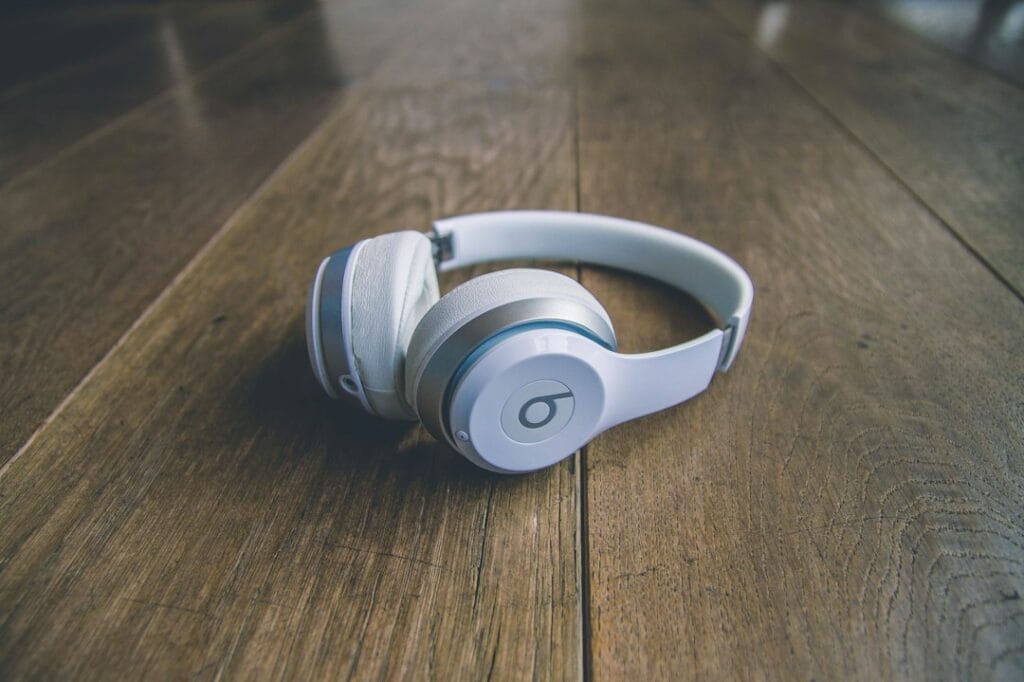
White Beats by Dr. Dre wireless headphones

Short answer: Beats are fine for casual gaming, and the Beats Studio Pro are the best Beats for it: plug in the USB-C cable and you get wired audio and a working mic for calls, with no Bluetooth delay. Over Bluetooth, every Beats model has the usual lag, which shows in fast shooters, and none of them connects to a PS5 or Xbox wirelessly. On an iPhone, iPad or Mac, Apple’s Game Mode helps. For competitive or console gaming, a gaming headset such as the SteelSeries Arctis Nova 5 is the better buy.

Check the Beats Studio Pro on Amazon →

How we put this together: this guide is based on Apple’s and Beats’ own documentation, platform documentation from Microsoft, Sony and Nintendo, and published reviews (linked below). It is not based on hands-on testing by iTech Level. See how we choose products.

Can you use Beats for gaming?

Yes. How well they work depends on the model and how you connect:

  • USB-C audio (Beats Studio Pro and Solo 4): both headphones play audio over the included USB-C cable when connected to a supported iPhone, iPad, Mac or Android device (Apple, Apple). Beats says the Studio Pro can “stream audio or take phone calls” over USB-C, so their mic works wired too (Beats). A wired connection avoids Bluetooth delay.
  • 3.5 mm cable (Studio Pro and Solo 4): plugs into any headphone jack, including a PS5 or Xbox controller, for game sound with no Bluetooth delay. The Studio Pro even work this way with a flat battery (Apple). Apple describes the 3.5 mm cable for listening only, so use the controller’s mic or a separate one for chat.
  • Bluetooth (all Beats): roughly 150–200 ms of delay on most devices: fine for story and turn-based games, noticeable in shooters and rhythm games. See our Bluetooth headphones for gaming guide.
  • Apple’s Game Mode: on an iPhone or iPad with iOS 18 or later, or an Apple silicon Mac with macOS Sonoma or later, Game Mode turns on when a game goes full screen and “doubles the Bluetooth sampling rate, which reduces input latency and audio latency for wireless accessories” (Apple Support). Apple’s examples are controllers and AirPods, so Bluetooth Beats should benefit too.

Beats for gaming, platform by platform

PlatformBest connectionBeats mic for chatVerdict
iPhone / iPad / MacUSB-C (Studio Pro, Solo 4) or Bluetooth with Game ModeYesGood
AndroidUSB-C (Studio Pro, Solo 4) or BluetoothYesFine for mobile games
Windows PC3.5 mm cable or BluetoothOver Bluetooth, with lower sound quality while it’s onCasual games
PS5 / Xbox3.5 mm cable in the controller jack (Studio Pro, Solo 4)Use the controller mic (PS5) or a separate micWired only
Nintendo Switch 23.5 mm cable, or Bluetooth for game soundNo (Bluetooth mics aren’t supported)OK

Which Beats are best for gaming?

Beats Studio Pro: best Beats for gaming

The Studio Pro (2023) are the most flexible Beats for gaming: USB-C audio with a working mic for phones, tablets and Macs, a 3.5 mm cable for controllers and handhelds, and up to 40 hours of battery (24 with noise cancelling). After the Beats 360 launched in September 2026, Apple cut the Studio Pro to $299.99, and they’ve sold for about $170 on Amazon. See our full Beats Studio Pro vs Beats 360 comparison.

Check the Beats Studio Pro on Amazon →

Beats Solo 4: the on-ear option

The Solo 4 also play audio over USB-C and a 3.5 mm cable (Apple), so they can be used wired in the same ways. They sit on the ear rather than around it and don’t have noise cancelling, which matters less at a desk than on a plane.

Beats 360: wireless only

Beats’ newest headphones (September 2026, $349.99) have stronger noise cancelling, but their USB-C port is for charging only and there’s no 3.5 mm jack (T3). With no wired option, they can’t avoid Bluetooth delay on any platform and can’t be used with a PS5 or Xbox at all. If gaming matters, the cheaper Studio Pro are the better Beats.

Beats earbuds: casual mobile games

Beats earbuds, such as the Powerbeats Pro 2 and the Solo Buds, are Bluetooth only. On an iPhone, Game Mode keeps the delay down for mobile games; elsewhere they behave like any Bluetooth earbuds. See our best earbuds for iPhone for how they compare with AirPods.

Beats on PS5 and Xbox

Neither console supports Bluetooth audio, so Beats can’t connect wirelessly (What Hi-Fi?). With the Studio Pro or Solo 4, plug the 3.5 mm cable into the controller’s headphone jack for game sound, and talk through the DualSense’s built-in mic on a PS5 or a separate mic on Xbox. You can also join party voice chat from your phone in the PlayStation App or the Xbox app with the Beats connected to the phone (Xbox Support), but game sound stays on the TV.

Beats on a Windows PC

Apple lists iPhone, iPad, Mac and Android as supported sources for USB-C audio, not Windows, so on a PC the 3.5 mm cable is the dependable wired option. Over Bluetooth, expect the usual delay, plus a catch with chat: when Discord or a game turns on the headphones’ mic, Windows switches to its “Hands-Free” profile and game audio drops to mono call quality (BGR, describing the same issue with AirPods). Choose the stereo “Headphones” output and use a different mic to avoid it.

Beats on the Nintendo Switch 2

The Switch 2 supports Bluetooth audio, so any Beats work for game sound, but Bluetooth microphones aren’t supported for GameChat, you can only use two wireless controllers while they’re connected, and Nintendo warns of possible audio delay (Nintendo). In handheld mode, the Studio Pro or Solo 4 on a 3.5 mm cable avoid the delay. See our best headphones for Switch 2.

Better options if you mainly game

PickBest forConnectionWorks withBuy
SteelSeries Arctis Nova 5 / Nova 5XOne headset for every console2.4GHz USB-C dongle, plus BluetoothPC, PS5, Switch 2, phones; Xbox on the 5XCheck price
Razer BlackShark V3PC and PS5 players2.4GHz dongle, Bluetooth, USBPC, PS5, Switch, phonesCheck price
Sony INZONE BudsGaming earbudsUSB-C dongle (Sony rates under 30 ms), plus Bluetooth LE AudioPC, PS5, Switch 2, phonesCheck price

The Arctis Nova 5 (about $130, up to 60 hours per SteelSeries) works on almost every system; get the Nova 5X for Xbox. The Razer BlackShark V3 (about $150) is our top pick for PC and PS5. Both cost less than the Beats 360 and add low-latency wireless and a boom mic. For earbuds, the Sony INZONE Buds use a USB-C dongle instead of Bluetooth. More picks are in our best gaming headsets.

Check the Arctis Nova 5 on Amazon →

Our verdict

Beats are fine for casual gaming, especially on Apple devices, where Game Mode cuts Bluetooth delay. The Beats Studio Pro are the best Beats for gaming because they can go wired over USB-C (with the mic) or a 3.5 mm cable (for controllers). The Beats 360 are a poor gaming choice since they’re wireless only. If you’re buying mainly for gaming, a gaming headset like the Arctis Nova 5 costs less and does the job better.

Frequently asked questions

Are Beats good for gaming?

For casual games, yes. Over Bluetooth they have the usual delay, which shows in fast shooters, though Apple’s Game Mode reduces it on iPhone, iPad and Mac. The Beats Studio Pro are the best Beats for gaming because they also work wired.

Can you use Beats on a PS5 or Xbox?

Only wired. Neither console supports Bluetooth audio, so plug the 3.5 mm cable of the Beats Studio Pro or Solo 4 into the controller’s headphone jack, and use the controller’s mic (PS5) or a separate mic for chat.

Does the Beats mic work for gaming?

Over Bluetooth on a phone or PC, yes, though on Windows sound quality drops while the mic is on. The Studio Pro also take calls over USB-C. Apple describes the 3.5 mm cable for listening only, and the Switch 2 doesn’t support Bluetooth mics.

Are the Beats Studio Pro good for gaming?

They’re the best Beats for it: wired USB-C audio with a working mic on phones, tablets and Macs, a 3.5 mm cable for controllers, and up to 40 hours of battery. They don’t have a boom mic or a low-latency wireless dongle like a gaming headset.

Are the Beats 360 good for gaming?

Not especially. Their USB-C port is for charging only and there’s no headphone jack, so they’re Bluetooth only, with the delay that brings, and they can’t connect to a PS5 or Xbox.

Related guides

Are Beats Good for Gaming? Studio Pro, Beats 360 and Earbuds on PC, PS5 and Xbox (2026) Read More »

Are Galaxy Buds Good for Gaming? Gaming Mode, PC, PS5 and Switch 2 (2026)

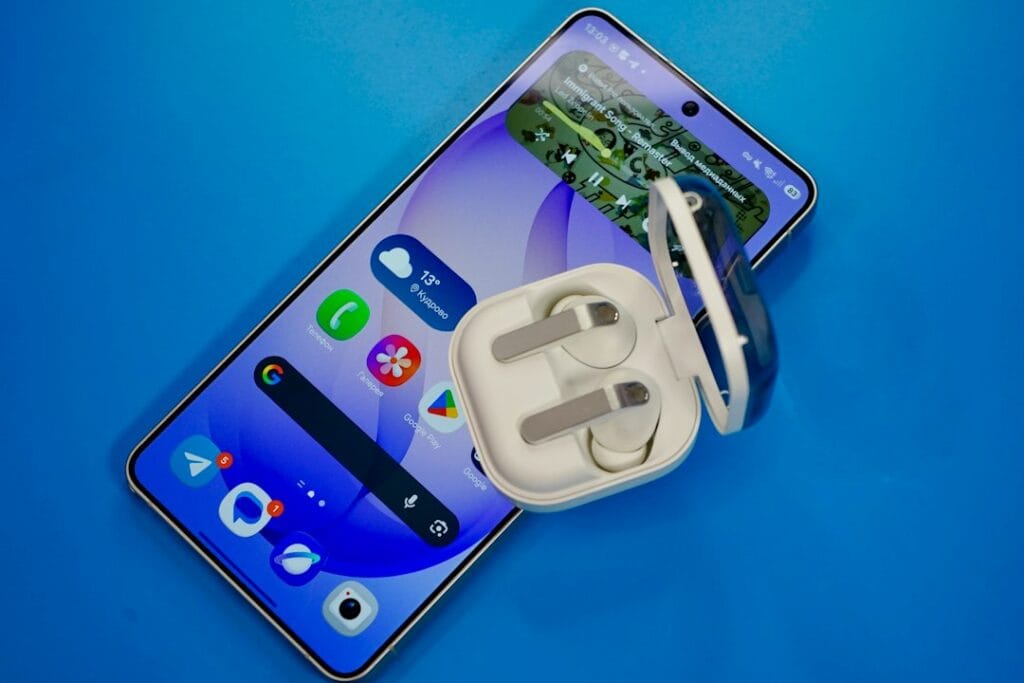
Smartphone with wireless earbuds on a blue background

Short answer: Galaxy Buds are good for mobile gaming on a Samsung phone or tablet, where Samsung’s Gaming mode reduces their audio delay. On an iPhone, another Android phone or a Windows PC they’re ordinary Bluetooth earbuds: fine for casual games, laggy in fast shooters. They can’t connect to a PS5 or Xbox, and their mic doesn’t work for chat on the Switch 2. On a Galaxy phone, the Galaxy Buds 4 Pro are the best pick; for PC and console gaming, earbuds with their own dongle, such as the Sony INZONE Buds, work better.

Check the Galaxy Buds 4 Pro on Amazon →

How we put this together: this guide is based on Samsung’s own support documentation, platform documentation from Microsoft, Sony and Nintendo, and published reviews (linked below). It is not based on hands-on testing by iTech Level. See how we choose products.

Galaxy Buds Gaming mode: what it does

Samsung’s Gaming mode “adjusts the audio delay” so game sound stays closer to what’s on screen. It works on the Galaxy Buds+ and newer models, but only when they’re connected to a Samsung phone or tablet through the Galaxy Wearable app. It isn’t available on iOS (Samsung).

To turn it on: open the Galaxy Wearable app, tap Earbuds settings, swipe to Labs, and switch on Gaming mode.

Even without Gaming mode, Galaxy Buds do well on a Galaxy phone because they use Samsung’s own Seamless Codec. SoundGuys’ review of the Buds 4 Pro says Android users “should not notice issues with latency, as SSC and AAC both have fairly minimal lag” (SoundGuys). Samsung doesn’t publish latency figures, so we don’t quote one.

Galaxy Buds for gaming, platform by platform

PlatformGame audioBuds mic for chatDelayVerdict
Samsung Galaxy phone / tabletYesYesLowest; Gaming mode reduces itGood
Other Android phonesYes (Bluetooth)YesStandard Bluetooth; no Gaming modeCasual games
iPhone / iPadYes (Bluetooth)YesStandard Bluetooth; no Gaming mode on iOSCasual games
Windows PCYes (Bluetooth)Yes, but sound quality drops while it’s onStandard BluetoothCasual games
Nintendo Switch 2Yes (Bluetooth)NoStandard BluetoothOK for handheld play
PS5 / XboxNo (no Bluetooth audio)Only through the PlayStation App or Xbox app on your phonen/aWorkarounds only

Which Galaxy Buds are best for gaming?

Galaxy Buds 4 Pro: best for gaming on a Galaxy phone

Samsung’s newest flagship earbuds (February 2026, $249.99) use Bluetooth 6.1 with SBC, AAC and the Samsung Seamless Codec on Galaxy devices, plus Auracast (SoundGuys). The silicone tips seal well, so quiet game sounds stand out, and the noise cancelling helps on a commute. They don’t support aptX or LDAC, which doesn’t matter on a Galaxy phone but means no low-latency codec on other Android phones. Our best earbuds for Samsung Galaxy guide covers them in full.

Check the Galaxy Buds 4 Pro on Amazon →

Galaxy Buds 3 FE: best value

The Buds 3 FE (September 2025, $149.99) have silicone ear tips, noise cancelling and the Samsung Seamless Codec for less money (SoundGuys). For mobile gaming on a Galaxy phone, they’re the sensible cheaper pick.

Check the Galaxy Buds 3 FE on Amazon →

Galaxy Buds 4: open fit, less isolation

The regular Galaxy Buds 4 ($179.99) have an open fit with no ear tips. They work with Gaming mode like the others, but they let in more room noise, which makes footsteps and other quiet game sounds harder to hear (SoundGuys).

Galaxy Buds on a Windows PC

Galaxy Buds pair with Windows like any Bluetooth earbuds, without Gaming mode, so expect standard Bluetooth delay (roughly 150–200 ms on most devices; see our Bluetooth headphones for gaming guide). The bigger problem is chat: when Discord or a game turns on the earbuds’ microphone, Windows switches to its “Hands-Free” profile and game audio drops to mono call quality (BGR, describing the same issue with AirPods). To keep good sound, choose the stereo “Headphones” output and use your laptop’s or webcam’s mic for chat.

Galaxy Buds on PS5, Xbox and Switch 2

  • PS5 and Xbox: neither console supports Bluetooth audio, so Galaxy Buds can’t connect (What Hi-Fi?). You can join party voice chat through the PlayStation App or the Xbox app on your phone with the Buds connected to the phone (Xbox Support), but game sound stays on the TV. A Bluetooth transmitter in the controller’s 3.5 mm jack can send game sound to the Buds, with added delay and usually no mic.
  • Nintendo Switch 2: Bluetooth audio works for game sound, but Bluetooth microphones aren’t supported for GameChat, only two wireless controllers can be used while the Buds are connected, and Nintendo warns of possible audio delay (Nintendo). See our best headphones for Switch 2.

Better earbuds for PC and console gaming

PickBest forConnectionWorks withBuy
Sony INZONE BudsGaming earbuds for PC, PS5 and Switch 2USB-C dongle (Sony rates under 30 ms), plus Bluetooth LE AudioPC, PS5, Switch 2, phonesCheck price
PlayStation Pulse ExplorePS5 players who want earbudsPlayStation Link, plus Bluetooth at the same timePS5, PC/Mac (with the adapter), PlayStation Portal, phonesCheck price
EarFun Air Pro 4Cheap earbuds with a game modeBluetooth, with a low-latency game modePhones, PCCheck price

The Sony INZONE Buds skip Bluetooth on a PC, PS5 or Switch 2 with their own USB-C dongle, which also makes the mic work where Galaxy Buds can’t. The PlayStation Pulse Explore connect to a PS5 over Sony’s PlayStation Link and to your phone at the same time (PlayStation). The EarFun Air Pro 4 ($89.99) are a budget option with a low-latency game mode, plus LDAC and multipoint (SoundGuys).

Check the Sony INZONE Buds on Amazon →

Our verdict

If you game on a Samsung phone or tablet, Galaxy Buds are a good choice: turn on Gaming mode in Labs, and the Buds 4 Pro or Buds 3 FE will serve you well. Anywhere else they’re regular Bluetooth earbuds, fine for casual games but not for competitive play, and they can’t connect to a PS5 or Xbox. If you’re buying earbuds for PC or console gaming, get a pair with a dongle, such as the Sony INZONE Buds.

Frequently asked questions

Are Galaxy Buds good for gaming?

On a Samsung phone or tablet, yes: Gaming mode in the Galaxy Wearable app reduces their audio delay. On other phones, iPhones and PCs they’re standard Bluetooth earbuds, fine for casual games but laggy in fast shooters.

How do I turn on Gaming mode on Galaxy Buds?

Open the Galaxy Wearable app on your Samsung phone or tablet, tap Earbuds settings, swipe to Labs, and turn on Gaming mode. It works on the Galaxy Buds+ and newer, and isn’t available on iOS.

Can you use Galaxy Buds on a PS5 or Xbox?

Not directly, because neither console supports Bluetooth audio. You can join voice chat through the PlayStation App or Xbox app on your phone, or use a Bluetooth transmitter in the controller’s 3.5 mm jack for game sound with added delay.

Do Galaxy Buds work with the Switch 2?

Yes, for game sound over Bluetooth. Their mic won’t work in GameChat because the Switch 2 doesn’t support Bluetooth microphones, and Nintendo warns you may notice some audio delay.

Which Galaxy Buds are best for gaming?

The Galaxy Buds 4 Pro, for their sealed fit and Samsung Seamless Codec on a Galaxy phone. The Buds 3 FE are the cheaper choice with silicone tips. The regular Buds 4 have an open fit that lets in more noise.

Related guides

Are Galaxy Buds Good for Gaming? Gaming Mode, PC, PS5 and Switch 2 (2026) Read More »

Are Bose Headphones Good for Gaming? QC Ultra on PC, PS5, Xbox and Switch 2 (2026)

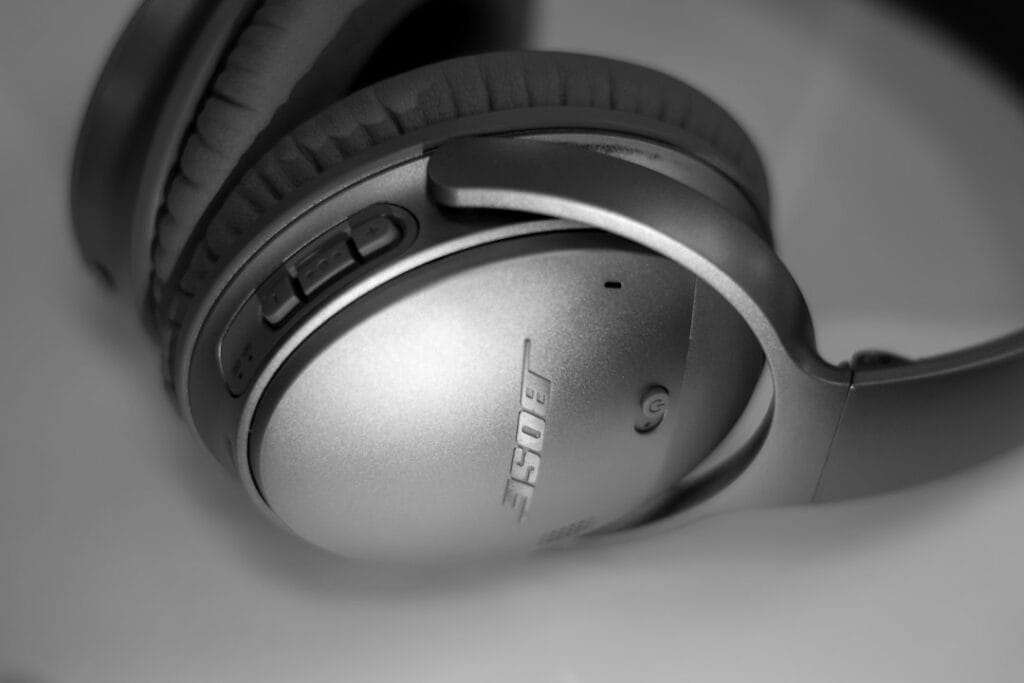
Grey Bose wireless headphones

Short answer: Bose headphones are good for relaxed gaming, such as story games, racing and single-player titles, especially plugged in. The QuietComfort Ultra Headphones (2nd Gen) are the best Bose for it, because their USB-C audio gives low-latency sound on a PC, Mac or phone. Over Bluetooth, though, every Bose model has the usual delay, and none of them connects to a PS5 or Xbox wirelessly. For competitive shooters and console chat, a gaming headset like the SteelSeries Arctis Nova 5 is the better tool.

Check the Bose QC Ultra Headphones (2nd Gen) on Amazon →

How we put this together: this guide is based on Bose’s own announcements and specifications, platform documentation from Microsoft, Sony and Nintendo, and published latency information (linked below). It is not based on hands-on testing by iTech Level. See how we choose products.

Can you use Bose headphones for gaming?

Yes, but how well they work depends on how you connect them:

  • USB-C audio (QC Ultra Headphones 2nd Gen only): Bose added wired USB-C audio to the second-generation QC Ultra Headphones and says it brings “low-latency audio for gaming on a desktop or mobile device” (Bose). This is the best way to game with Bose on a PC, Mac, tablet or phone.
  • 3.5 mm audio cable: Bose over-ear models come with an analog cable (a 3.5 mm to 2.5 mm cable on the QC Ultra Headphones 2nd Gen, per Bose’s specifications). An analog cable has no Bluetooth delay, and it’s the way to use Bose with a PS5 or Xbox: plug it into the controller’s 3.5 mm jack. Don’t count on the headphones’ own microphones over the cable; use the controller’s mic (the PS5 DualSense has one built in) or a separate mic.
  • Standard Bluetooth: roughly 150–200 ms of delay on most devices, which is fine for story and turn-based games but noticeable in shooters and rhythm games. Our Bluetooth headphones for gaming guide explains why.
  • aptX Adaptive: the QC Ultra Headphones (2nd Gen) support aptX Adaptive, which Bose says adapts to “low-latency processing” with Snapdragon Sound-certified devices (Bose). That helps on some Android phones only; iPhones, Windows PCs and consoles don’t support it.

Bose for gaming, platform by platform

PlatformBest connectionBose mic for chatVerdict
Windows PC / MacUSB-C (QC Ultra 2nd Gen) or the analog cableOver Bluetooth, with lower sound quality while it’s onGood wired
iPhone / AndroidUSB-C or Bluetooth (aptX Adaptive on Snapdragon Sound phones)YesFine for mobile games
PS5Analog cable in the DualSense jackUse the DualSense micWired only
Xbox Series X|SAnalog cable in the controller jackUse a separate micWired only
Nintendo Switch 2Analog cable, or Bluetooth for game soundNo (Bluetooth mics aren’t supported)OK

Which Bose headphones are best for gaming?

QuietComfort Ultra Headphones (2nd Gen): best Bose for gaming

The second-generation QC Ultra Headphones ($449, October 2025) are the only current Bose headphones with USB-C audio, and Bose pitches it at gamers: lossless, low-latency sound over the included USB-C cable, while charging at the same time. They also add aptX Adaptive for lower latency on Snapdragon Sound phones, and Bose rates the battery at up to 30 hours with noise cancelling, or 45 with it off (Bose). The plush, light fit that makes them good for long flights also suits long gaming sessions.

Bose’s announcement doesn’t say whether the microphones work over USB-C. If they don’t appear as an input on your PC, use a separate mic for chat.

Check the QC Ultra Headphones (2nd Gen) on Amazon →

Older QuietComfort Ultra and QuietComfort Headphones: wired or casual only

The first-generation QC Ultra Headphones and the QuietComfort Headphones don’t have USB-C audio, so for gaming you’re choosing between Bluetooth delay and the analog cable. Plugged into a controller or a PC, they’re good-sounding, comfortable headphones for single-player games. See our QC Ultra Headphones (2nd Gen) page for how the two generations differ.

QuietComfort Ultra Earbuds (2nd Gen): mobile games only

Bose’s earbuds are Bluetooth only, with no cable or dongle option. They’re excellent for noise cancelling and fine for casual mobile games, but on a PC they have standard Bluetooth delay, and they can’t connect to a PS5 or Xbox. If you want earbuds for gaming, see the picks below.

Bose on PS5 and Xbox

Neither console supports Bluetooth audio, so Bose headphones can’t connect to a PS5 or Xbox wirelessly (What Hi-Fi?). The reliable setup is the analog cable in the controller’s 3.5 mm jack: no delay, and you talk through the DualSense’s built-in mic on a PS5, or a separate mic on Xbox. You can also join party chat from your phone in the PlayStation App or Xbox app with the headphones connected to the phone over Bluetooth, but then game sound still comes from the TV (Xbox Support).

Bose on a Windows PC

On a PC, use the USB-C cable on the QC Ultra Headphones (2nd Gen), or the analog cable on older models, for game sound without delay. Over Bluetooth, expect the usual lag, plus one more catch: when Discord or a game turns on the headphones’ microphone, Windows switches them to its “Hands-Free” profile, and game audio drops to thin, mono call quality until the mic closes (BGR, describing the same issue with AirPods). The fix is to choose the stereo “Headphones” output and set your input to a different mic.

Bose on the Nintendo Switch 2

The Switch 2 supports Bluetooth audio, so Bose headphones work for game sound. But Bluetooth microphones aren’t supported for GameChat, you can only use two wireless controllers while they’re connected, and Nintendo warns you may notice audio delay (Nintendo). In handheld mode, the analog cable in the console’s headphone jack avoids the delay. More options are in our best headphones for Switch 2.

Better options if you mainly game

PickBest forConnectionWorks withBuy
SteelSeries Arctis Nova 5 / Nova 5XOne headset for every console2.4GHz USB-C dongle, plus BluetoothPC, PS5, Switch 2, phones; Xbox on the 5XCheck price
Razer BlackShark V3PC and PS5 players2.4GHz dongle, Bluetooth, USBPC, PS5, Switch, phonesCheck price
Sony INZONE BudsGaming earbuds instead of the QC Ultra EarbudsUSB-C dongle (Sony rates under 30 ms), plus Bluetooth LE AudioPC, PS5, Switch 2, phonesCheck price

The Arctis Nova 5 (about $130, up to 60 hours of battery per SteelSeries) is the easy pick if you play on several systems; get the Nova 5X for Xbox. The Razer BlackShark V3 (about $150) is our top gaming headset overall for PC and PS5. Both have low-latency wireless and a real boom mic, the two things Bose headphones lack. See our best gaming headsets for more.

Check the Arctis Nova 5 on Amazon →

Our verdict

If you already own Bose headphones, plug them in and they’re good for single-player and casual gaming on any platform. The QC Ultra Headphones (2nd Gen) are the best Bose for gaming thanks to low-latency USB-C audio on a PC, Mac or phone. Over Bluetooth, Bose has the same delay as other wireless headphones, no Bose model connects to a PS5 or Xbox wirelessly, and the mic is limited for console chat. If gaming is a main reason you’re buying, get a gaming headset like the Arctis Nova 5 and keep the Bose for travel.

Frequently asked questions

Are Bose headphones good for gaming?

For relaxed and single-player games, yes, especially wired. The QC Ultra Headphones (2nd Gen) have USB-C audio that Bose says gives low-latency sound for gaming on a computer or phone. Over Bluetooth they have the usual delay, which shows in fast shooters.

Can you use Bose headphones on a PS5 or Xbox?

Only with a cable. Neither console supports Bluetooth audio, so plug the Bose analog cable into the controller’s 3.5 mm jack, and use the controller’s mic (PS5) or a separate mic for chat.

Do Bose headphones have a mic for gaming?

They have microphones for calls, which work for chat over Bluetooth on a PC or phone, but sound quality drops while the mic is in use on Windows. There’s no boom mic, and on consoles you’ll need the controller’s mic or a separate one.

Is the Bose QuietComfort Ultra good for gaming?

The second-generation QC Ultra Headphones are the best Bose for gaming, thanks to low-latency USB-C audio and aptX Adaptive on Snapdragon Sound phones. The first generation is fine wired, but has Bluetooth delay wirelessly.

Are Bose earbuds good for gaming?

For casual mobile games, yes. The QuietComfort Ultra Earbuds are Bluetooth only, with no cable or dongle option, so they have standard Bluetooth delay on a PC and can’t connect to a PS5 or Xbox. For gaming earbuds, the Sony INZONE Buds use a low-latency USB-C dongle.

Related guides

Are Bose Headphones Good for Gaming? QC Ultra on PC, PS5, Xbox and Switch 2 (2026) Read More »