Audio

Are AirPods Good for Gaming? PC, PS5, Xbox and Switch 2 Explained (2026)
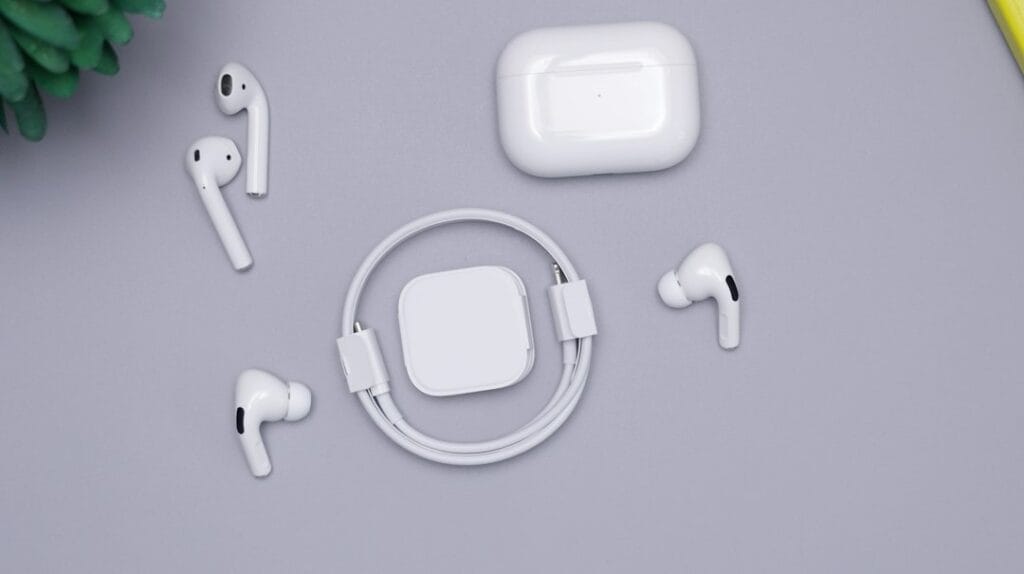
Apple AirPods and charging case

Short answer: AirPods are good for gaming on an iPhone, iPad or Mac, where Apple’s Game Mode cuts their audio delay. They’re fine for casual games on a Windows PC, but not for competitive shooters. On consoles they’re limited: they work for game sound on the Switch 2, but not on a PS5 or Xbox without workarounds, and their microphone doesn’t work for in-game chat on any of the three. If you want wireless earbuds for console or PC gaming, get a pair with its own USB-C dongle, such as the Sony INZONE Buds.

Check the Sony INZONE Buds on Amazon →

How we put this together: this guide is based on Apple’s, Microsoft’s, Sony’s and Nintendo’s own documentation and on published latency measurements (linked below). It is not based on hands-on testing by iTech Level. See how we choose products.

Can you use AirPods for gaming? Platform by platform

PlatformGame audioAirPods mic for chatDelayVerdict
iPhone / iPadYesYesLowest; Game Mode reduces itGood
Mac (Apple silicon)YesYesLow with Game ModeGood
Windows PCYes (Bluetooth)Yes, but sound quality drops while it’s onStandard BluetoothCasual games only
Nintendo Switch 2Yes (Bluetooth)NoStandard BluetoothOK for handheld play
Xbox Series X|SNo (no Bluetooth audio)Only through the Xbox app on your phonen/aWorkarounds only
PS5No (no Bluetooth audio)Only through the PlayStation App on your phonen/aWorkarounds only

How much delay do AirPods have?

Apple doesn’t publish latency figures for AirPods. The best-known independent measurement is older: developer Stephen Coyle measured the first AirPods Pro at about 144 ms on an iPhone, against 178 ms for the AirPods 2 and 274 ms for the original AirPods (MacRumors). Newer models are expected to do better on Apple devices, but no free independent measurement of the current models has been published yet.

For comparison, standard Bluetooth on other devices adds roughly 150–200 ms, while gaming headsets with a 2.4GHz USB dongle stay low enough that you won’t notice it. At 150 ms you hear footsteps and gunshots a beat after you see them, which matters in shooters and rhythm games but not in a turn-based RPG or a puzzle game. Our Bluetooth headphones for gaming guide explains the numbers in detail.

Game Mode is the reason AirPods do better on Apple devices. On an iPhone or iPad with iOS 18 or later, and on an Apple silicon Mac with macOS Sonoma or later, Game Mode turns on by itself when a game goes full screen. Apple says it “doubles the Bluetooth sampling rate, which reduces input latency and audio latency for wireless accessories like game controllers and AirPods” (Apple Support). A Windows PC, a Switch 2 or an Android phone doesn’t have it, so AirPods behave like any other Bluetooth earbuds there.

Which AirPods are best for gaming?

AirPods Max 2 and AirPods Max (USB-C): best for gaming

The AirPods Max are the only AirPods that can skip Bluetooth. Since a firmware update in April 2025, the USB-C AirPods Max play lossless audio with “ultra-low latency” over the included USB-C cable, which Apple says is on par with the built-in speakers on a Mac, iPad or iPhone and is aimed at gamers and livestreamers (Apple Newsroom). Apple also sells a $39 USB-C to 3.5 mm cable, so you can plug them into a 3.5 mm jack, such as the one on a PS5 or Xbox controller, for game sound without Bluetooth delay. Apple doesn’t say the microphone works over that cable, so plan on game sound only.

The AirPods Max 2 (April 2026, $549) keep the USB-C lossless audio and add lower wireless latency: Apple says “reduced wireless audio latency also makes gaming even better” in Game Mode (Apple Newsroom). They’re the AirPods to get if gaming matters to you, though $549 also buys a top gaming headset and a pair of earbuds.

Check the AirPods Max 2 on Amazon →

AirPods Pro 3: good on iPhone and Mac

The AirPods Pro 3 ($249) are Bluetooth only, so they rely on Game Mode for lower delay on Apple devices. Their sealed silicone tips and strong noise cancelling help you hear quiet sounds in a game, and the microphones are good for chat on an iPhone, iPad or Mac. On a Windows PC they’re casual-game earbuds like any others.

Check the AirPods Pro 3 on Amazon →

AirPods 5: fine for casual mobile games

The AirPods 5 (September 2026, $129, or $149 with a wireless charging case) now have noise cancelling on both models (Apple Newsroom). Apple didn’t mention gaming or latency for them, so expect the same Game Mode benefit on Apple devices and standard Bluetooth delay elsewhere. The open fit with no ear tips lets in more room noise than the Pro 3, which makes quiet game sounds harder to pick out.

AirPods on iPhone, iPad and Mac

This is where AirPods work best. They pair automatically, switch between your Apple devices, and Game Mode lowers their delay as soon as a game goes full screen. The microphone works for in-game voice chat and for Discord on all three devices. For mobile games and most Mac games, AirPods are a perfectly good choice. If you play competitive shooters on a Mac, a wired headset or one with a USB dongle is still faster.

AirPods on a Windows gaming PC

AirPods pair with Windows like any Bluetooth earbuds: put them in pairing mode (Apple’s steps for non-Apple devices), then add them under Bluetooth & devices. Two things to know:

  • Delay: Windows has no Game Mode for AirPods, so you get standard Bluetooth delay. That’s fine for strategy, story and single-player games, and noticeable in fast shooters.
  • Sound quality drops when the mic is on. Bluetooth can’t carry full-quality stereo and a live microphone at the same time, so when Discord or a game opens the AirPods’ mic, Windows switches them to the “Hands-Free” profile and the sound turns thin and mono (BGR). The fix: in Windows sound settings, set the output to “Headphones (AirPods Stereo)” and the input to your laptop’s built-in mic, a webcam mic or a USB mic.

AirPods on the Nintendo Switch 2

The Switch 2 supports Bluetooth audio, so AirPods work for game sound. You pair them under System Settings, one Bluetooth audio device at a time. But the Switch 2 doesn’t support Bluetooth microphones, so the AirPods’ mic won’t work in GameChat. While they’re connected you can only use two wireless controllers (a pair of Joy-Con 2 counts as two), Bluetooth audio disconnects during local wireless multiplayer, and Nintendo warns that you may notice audio delay (Nintendo). The console’s built-in mic can pick up your voice for GameChat instead. Our best headphones for Switch 2 guide covers options that do both.

AirPods on Xbox

Xbox consoles don’t support Bluetooth audio, so AirPods can’t connect to an Xbox directly (What Hi-Fi?). There are two partial workarounds:

  • Party chat through your phone: connect the AirPods to your phone and join your Xbox party in the Xbox mobile app, which supports voice chat with a headset paired to the phone (Xbox Support). Game sound still comes from the TV.
  • Game sound through the controller: a small Bluetooth transmitter plugged into the controller’s 3.5 mm jack can send game audio to AirPods. It adds Bluetooth delay, and most transmitters carry sound only, so you’d still need the phone for chat.

If you play on Xbox a lot, a headset made for it is simpler. See our best Xbox headsets.

AirPods on PS5

The PS5 doesn’t support Bluetooth audio either. The workarounds are the same idea as on Xbox: voice chat in a party through the PlayStation App on your phone, which supports voice chat with up to 15 friends (PlayStation Blog), or a Bluetooth transmitter in the DualSense controller’s 3.5 mm jack for game sound with added delay. AirPods Max owners can use Apple’s USB-C to 3.5 mm cable in the controller jack instead, for game sound without Bluetooth delay.

Sony’s own answer for earbuds is the PlayStation Pulse Explore. They connect to the PS5 over PlayStation Link, Sony’s low-latency wireless, and to your phone over Bluetooth at the same time (PlayStation). More picks are in our best PS5 headsets guide.

Better earbuds and headsets for gaming

If you want earbuds or a headset mainly for gaming, these avoid the problems above by using their own wireless link instead of Bluetooth:

PickBest forConnectionWorks withBuy
Sony INZONE BudsGaming earbuds for PC, PS5 and Switch 2USB-C dongle (Sony rates under 30 ms), plus Bluetooth LE AudioPC, PS5, Switch 2, phonesCheck price
PlayStation Pulse ExplorePS5 players who want earbudsPlayStation Link, plus Bluetooth at the same timePS5, PC/Mac (with the adapter), PlayStation Portal, phonesCheck price
SteelSeries Arctis Nova 5 / Nova 5XOne headset for every console2.4GHz USB-C dongle, plus BluetoothPC, PS5, Switch 2, phones; Xbox on the 5XCheck price

The Sony INZONE Buds are the closest thing to “AirPods for gaming”: small earbuds with noise cancelling, but their USB-C dongle gives low delay and a working mic on PC, PS5 and Switch 2, where AirPods fall short. The Arctis Nova 5 (about $130, up to 60 hours of battery per SteelSeries) is the easy headset pick if you play on several systems; get the Nova 5X for Xbox (SteelSeries). For more, see our best gaming headsets.

Check the Arctis Nova 5 on Amazon →

Our verdict

If you game on an iPhone, iPad or Mac, the AirPods you already own are good enough, and Game Mode keeps the delay low. On a Windows PC they’re fine for casual games once you move the mic to another device. On consoles they’re a stopgap: game sound only on the Switch 2, and workarounds on PS5 and Xbox. The AirPods Max are the exception, because their cable removes the Bluetooth delay. If you’re buying earbuds for console or PC gaming, get a pair with its own dongle, such as the Sony INZONE Buds.

Frequently asked questions

Are AirPods good for gaming?

On an iPhone, iPad or Mac, yes: Apple’s Game Mode doubles the Bluetooth sampling rate to cut their delay. On a Windows PC they’re fine for casual games but lag in fast shooters, and on consoles they’re limited: game sound only on the Switch 2, and no direct connection to a PS5 or Xbox.

Can you use AirPods on a PS5 or Xbox?

Not directly, because neither console supports Bluetooth audio. You can join voice chat through the PlayStation App or Xbox app on your phone with AirPods connected to the phone, or use a Bluetooth transmitter in the controller’s 3.5 mm jack for game sound with added delay.

Does the AirPods mic work for game chat?

On an iPhone, iPad, Mac or Windows PC, yes, though on Windows the sound quality drops while the mic is in use. On the Switch 2 it doesn’t, because the console doesn’t support Bluetooth microphones, and the PS5 and Xbox can’t connect to AirPods at all.

Are AirPods Max good for gaming?

They’re the best AirPods for it. Over the USB-C cable they play lossless audio with ultra-low latency that Apple says is on par with built-in speakers, and the AirPods Max 2 also have lower wireless latency in Game Mode.

Do AirPods have lag on PC?

Yes, standard Bluetooth delay, because Windows has no equivalent of Apple’s Game Mode. It’s fine for slower games; for competitive shooters, use a wired headset or one with a USB dongle.

Related guides

Are AirPods Good for Gaming? PC, PS5, Xbox and Switch 2 Explained (2026) Read More »
Best Earbuds for Loud Work Environments (2026): Rated Hearing Protection With Bluetooth

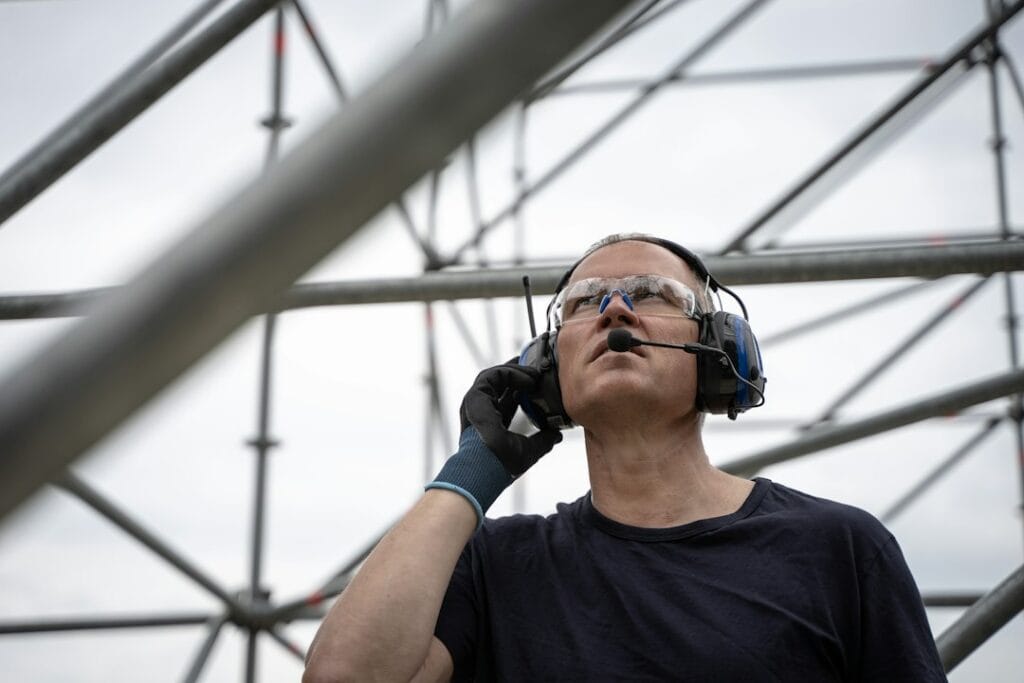
A worker wearing safety goggles and hearing protection earmuffs

On a loud job site, you need earbuds that are rated hearing protection, not just noise-cancelling earbuds. The ISOtunes PRO 2.0 ($109.99) are the best for most people: an ANSI-certified 27 dB Noise Reduction Rating (NRR), a volume limit of 85 dB, IP67 and up to 16 hours of battery. If you need to hear coworkers and alarms, the ISOtunes PRO Aware 2.0 let safe sounds through. Prefer earmuffs? The 3M WorkTunes Connect (NRR 24) are the cheapest rated option with Bluetooth.

Check the ISOtunes PRO 2.0 on Amazon →

How we put this together: this guide is based on manufacturers’ published ratings and specifications and on guidance from OSHA (linked below). It is not based on hands-on testing by iTech Level, and it isn’t safety advice for your specific workplace: follow your employer’s hearing conservation program and the protection it requires. See how we choose products.

Noise-cancelling earbuds are not hearing protection

This is the most important point on this page. OSHA says no regulation bans headphones at work, but hearing protectors must bring a worker’s exposure down to a safe level, and their protection is shown by a Noise Reduction Rating on the packaging. OSHA warns that consumer active noise-cancelling headphones “do not offer protection from sudden, explosive sounds,” and that it is not recommended to use consumer noise-cancelling headphones in place of laboratory-tested devices if they are not designed for hearing protection (OSHA).

For context, OSHA requires employers to provide hearing protection when workers are exposed to an 8-hour average of 85 dBA or more, and to make sure it’s worn at 90 dBA (OSHA). Every pick below except the AirPods has an ANSI-certified NRR.

Best earbuds for loud work environments compared

ProductBest forNRRVolume limitBatteryPriceBuy
ISOtunes PRO 2.0Best overall27 dB85 dBUp to 16 hr$109.99Check price
ISOtunes PRO Aware 2.0Hearing coworkers and alarms26 dB (foam) / 25 dB (silicone)85 dB15+ hr with Bluetooth$169.99Check price
ISOtunes FREE 2.0True wireless, no cord to snag25 dB (foam) / 22 dB (silicone)85 dBWith charging caseAbout $110–$120Check price
3M WorkTunes ConnectCheapest; earmuffs24 dB—30+ hrOften under $50Check price
Apple AirPods Pro 3Moderately loud places, off the job siteNo NRR (Hearing Protection feature)—Up to 8 hr$249Check price

The best earbuds for loud work in 2026

1. ISOtunes PRO 2.0: best overall

ISOtunes makes Bluetooth earbuds that are certified hearing protection first. The PRO 2.0 ($109.99) have an ANSI-certified 27 dB NRR, IP67 dust and water protection, up to 16 hours of battery, Bluetooth 5.1 with dual pairing, and a noise-isolating microphone for calls. Their SafeMax technology limits audio to 85 dB, so music can’t add to your noise exposure. A comfort-fit ear hook keeps them in place (ISOtunes).

Check the ISOtunes PRO 2.0 on Amazon →

2. ISOtunes PRO Aware 2.0: best for hearing coworkers and alarms

Regular protective earbuds block everything, including the voice of the person next to you. The PRO Aware 2.0 ($169.99) use level-dependent “Aware” technology: they let you hear your surroundings, and ISOtunes says they react in about 2 milliseconds to protect you from sudden harmful noises. They’re rated NRR 26 dB with foam tips (25 dB with silicone), IP67, tested to MIL-STD 810H for shock, and last 24 hours in Aware-only mode or 15+ hours with Bluetooth. Bluetooth 5.4 supports dual pairing and two-way radios, and the volume is limited to 85 dB (ISOtunes).

Check the ISOtunes PRO Aware 2.0 on Amazon →

3. ISOtunes FREE 2.0: best true wireless

If you’d rather have nothing that could catch on machinery, the FREE 2.0 are fully wireless buds in a charging case. They’re rated NRR 25 dB with foam tips or 22 dB with the double-flange silicone tips, and limit audio to 85 dB. ISOtunes pitches them for people who work in tight spaces, in environments where noise stays below 112 dB (ISOtunes). Good to know: small separate buds are easier to lose on site than a corded pair.

Check the ISOtunes FREE 2.0 on Amazon →

4. 3M WorkTunes Connect: cheapest rated option

If earmuffs suit your work better than earbuds, the WorkTunes Connect are 3M hearing protectors with Bluetooth. They’re rated NRR 24 dB, last more than 30 hours per charge and have a built-in microphone for calls (3M). They also accept a 3.5 mm cable and often sell for under $50. Good to know: earmuffs are bulkier and warmer than earbuds, and can clash with hard hats or safety glasses.

Check the 3M WorkTunes Connect on Amazon →

5. Apple AirPods Pro 3: for moderately loud places, not the job site

The AirPods Pro 2 and Pro 3 have a Hearing Protection feature, on by default, that reduces loud sounds in every listening mode. It’s useful on loud commutes, at concerts or on flights, but Apple is clear about the limits: it isn’t suitable for extremely loud impulse sounds such as gunfire, fireworks or jackhammers, or for sustained sounds above 110 dBA, and a poor fit reduces its effect (Apple). Apple’s data sheet also says it isn’t suitable for all workplaces and to check with your employer. Use AirPods only where your employer allows them; on a construction site, choose one of the rated picks above.

Check the AirPods Pro 3 on Amazon →

How to read an NRR

  • Higher is more protection. NRR is in decibels and is printed on the package of every certified hearing protector.
  • Real-world protection is lower. 3M notes that many users get less protection than the NRR because of fit and fitting skill, and recommends reducing the NRR by 50% when estimating protection, or following your local regulations (3M).
  • Fit is everything. Use the tip size that seals fully. Foam tips usually give a higher rating than silicone, as the ISOtunes figures show.
  • Keep music quiet. A volume limit such as ISOtunes’ 85 dB SafeMax stops your music from adding to the noise you’re exposed to.

Our verdict

For loud work, buy certified hearing protection that happens to play music, not consumer earbuds. The ISOtunes PRO 2.0 are the best all-rounder with a 27 dB NRR and an 85 dB volume limit; the PRO Aware 2.0 are worth the extra money if you need to hear people and alarms; the FREE 2.0 remove the cord; and the 3M WorkTunes Connect are the cheapest rated option. AirPods Pro 3 are fine for loud commutes and events, but not as a substitute for rated protection at work.

Frequently asked questions

What are the best earbuds for loud work environments?

Certified hearing protection earbuds such as the ISOtunes PRO 2.0, with an ANSI-certified 27 dB NRR and an 85 dB volume limit. The ISOtunes PRO Aware 2.0 add level-dependent hearing so you can still hear coworkers and alarms.

Can I use noise-cancelling earbuds as hearing protection at work?

Generally no. OSHA advises against using consumer noise-cancelling headphones in place of laboratory-tested hearing protectors, because active noise cancelling doesn’t protect against sudden, explosive sounds. Look for a Noise Reduction Rating on the package.

Are ISOtunes OSHA compliant?

ISOtunes describes its PRO 2.0, PRO Aware 2.0 and FREE 2.0 as ANSI-certified hearing protection with an 85 dB volume limit, which it calls OSHA-compliant. Your employer decides what protection your job requires.

Do AirPods Pro protect your hearing at work?

The AirPods Pro 2 and Pro 3 Hearing Protection feature reduces loud sounds, but Apple says it isn’t suitable for impulse noise like jackhammers or for sustained sounds above 110 dBA, and isn’t suitable for all workplaces. Check with your employer.

What does NRR mean?

Noise Reduction Rating, a decibel figure showing how much a hearing protector reduces noise in lab tests. Real-world protection is usually lower; 3M recommends halving the NRR when estimating it.

Related guides

Best Earbuds for Loud Work Environments (2026): Rated Hearing Protection With Bluetooth Read More »

Best AirPods Alternatives (2026): 7 Picks for Android and iPhone

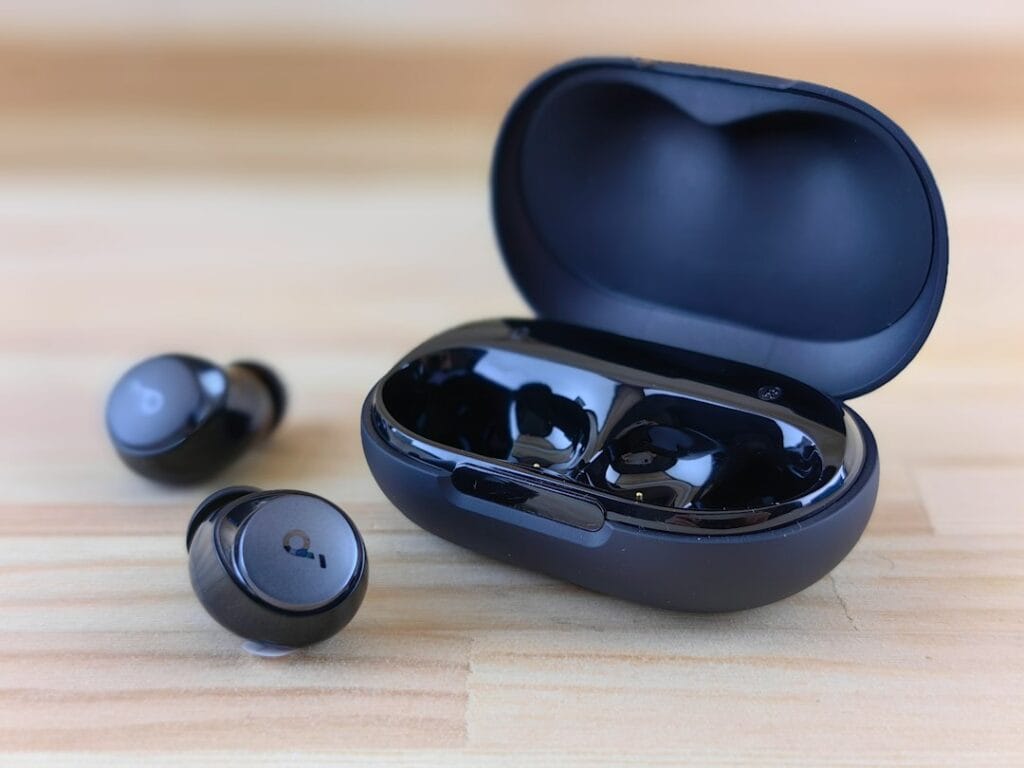
Black wireless earbuds on a wooden table

The best AirPods Pro 3 alternative is the Sony WF-1000XM6: noise cancelling that rivals Apple’s, better passive isolation, and LDAC and multipoint on Android. On a Samsung phone, get the Galaxy Buds 4 Pro; on a Pixel, the Pixel Buds Pro 2. Instead of the $129 AirPods 5, the Beats Solo Buds ($79.99) work with one-tap pairing on both iPhone and Android, and the CMF Buds 2 Plus add strong noise cancelling for about $60–80.

Check the Sony WF-1000XM6 on Amazon →

How we put this together: this guide is based on manufacturers’ specifications and published reviews from SoundGuys, What Hi-Fi? and others (linked below). It is not based on hands-on testing by iTech Level. Prices are list prices at the time of writing. See how we choose products.

Best AirPods alternatives compared

EarbudsInstead ofBest forBattery (ANC on)List priceBuy
Sony WF-1000XM6AirPods Pro 3Best overall alternative, Android8 hr (24 with case)$329.99Check price
Samsung Galaxy Buds 4 ProAirPods Pro 3Samsung Galaxy phonesAbout 6 hr (SoundGuys test)Check current priceCheck price
Google Pixel Buds Pro 2AirPods Pro 3Pixel phones8 hr (30 with case)$229Check price
Bose QuietComfort Ultra Earbuds (2nd Gen)AirPods Pro 3Noise cancelling and comfort6 hr$299Check price
Beats Solo BudsAirPods 5One-tap pairing on iPhone and Android18 hr (no ANC)$79.99Check price
CMF Buds 2 PlusAirPods 5Best cheap noise cancellingAbout 9 hr$79 (often about $59)Check price
EarFun Air Pro 4AirPods 5Most features for the money7.5 hr (52 with case)$89.99Check price

What you gain and lose by skipping AirPods

For reference, the AirPods Pro 3 cost $249, last up to 8 hours with noise cancelling, add a heart-rate sensor and Live Translation on an iPhone, and are rated IP57 (Apple). The AirPods 5 (September 2026) cost $129, or $149 with a wireless case, and keep an open fit with no ear tips, now with noise cancelling on both models (Apple Newsroom).

  • On Android, AirPods lose most of their smarts: no automatic device switching, no easy battery checks or settings in the phone, and features like heart-rate tracking and Live Translation are tied to the iPhone. Earbuds from Sony, Samsung or Google work properly on Android, often with hi-res codecs like LDAC.
  • On an iPhone, alternatives still work well over Bluetooth (AAC), but you manage them in the maker’s app rather than in iOS Settings, and you lose Apple’s automatic switching between your iPhone, iPad and Mac.
  • Fit is the other reason to switch: the AirPods 5 have no ear tips, so they can’t seal out noise like tip-based earbuds. If AirPods fall out of your ears, see our best earbuds for small ears.

Best alternatives to the AirPods Pro 3

1. Sony WF-1000XM6: best AirPods Pro alternative

Sony’s WF-1000XM6 (February 2026) are the closest rival to the AirPods Pro 3. SoundGuys measured an 88 percent average noise reduction and found their passive isolation, the noise blocked by the fit alone, is better than Apple’s. It also praises their sound and “outstanding” call microphones. They support LDAC and multipoint on Android, are rated IPX4, and last up to 8 hours per charge (24 with the case).

Good to know: at $329.99 they cost more than the AirPods Pro 3, and SoundGuys notes the larger buds may not suit smaller ears.

Check the WF-1000XM6 on Amazon →

2. Samsung Galaxy Buds 4 Pro: best for Samsung phones

What AirPods are to an iPhone, the Galaxy Buds 4 Pro are to a Galaxy phone. Launched with the Galaxy S26 in February 2026, they stream at up to 24-bit/96kHz over Samsung’s Seamless Codec, add 360 Audio with head tracking, head gestures and Gemini or Bixby by voice, and are rated IP57 (SamMobile). SoundGuys rates them 8/10 and measured about 84 percent average noise reduction.

Good to know: SoundGuys got just over 6 hours per charge with noise cancelling on, and most extras disappear on non-Samsung phones. More options in our best earbuds for Samsung.

Check the Galaxy Buds 4 Pro on Amazon →

3. Google Pixel Buds Pro 2: best for Pixel phones

On a Pixel, the Pixel Buds Pro 2 get Google’s new features first: Fast Pair, Find My Device and hands-free Gemini work out of the box, and Google’s Tensor A1 chip powers adaptive noise cancelling. Google skipped a Pixel Buds Pro 3 at the Pixel 11 launch and instead gave the Pro 2 a free update with more consistent noise cancelling, Gemini EQ controls and sleep detection. They last up to 8 hours with noise cancelling (30 with the case), have multipoint, and are rated IP54. Our best earbuds for Pixel guide covers them in detail.

Good to know: the Gemini and Pixel extras matter much less on other Android phones. If you want to spend less, the Pixel Buds 2a ($129) use the same Tensor A1 chip.

Check the Pixel Buds Pro 2 on Amazon →

4. Bose QuietComfort Ultra Earbuds (2nd Gen): best for noise cancelling and comfort

If noise cancelling is your priority, the Bose QC Ultra Earbuds (2nd Gen) are the main rival to the AirPods Pro 3 on any phone. What Hi-Fi? praises their outstanding noise cancelling, design and punchy sound. Bose rates them at up to 6 hours per charge (4 with Immersive Audio), with three more charges in a wireless-charging case, plus multipoint and IPX4 (Bose).

Good to know: they list at $299 and have the shortest battery of the premium picks, but they’ve often been on sale for less.

Check the QC Ultra Earbuds on Amazon →

Best cheaper alternatives to the AirPods 5

5. Beats Solo Buds: best budget pick for iPhone and Android

The Beats Solo Buds come from Apple-owned Beats and cost $79.99, $49 less than the cheapest AirPods. They pair with one tap on both iPhone and Android, work with Find My (or Find My Device on Android), and come with four ear-tip sizes from XS to L. Each bud weighs 5.7 g, and Beats rates them at up to 18 hours of playback (Beats).

Good to know: there’s no noise cancelling, and the small case has no battery, so you charge the buds over USB-C. TechRadar found the bass lighter than you’d expect from Beats.

Check the Beats Solo Buds on Amazon →

6. CMF Buds 2 Plus: best cheap noise cancelling

For noise cancelling on a budget, the CMF Buds 2 Plus from Nothing’s budget brand cut outside noise by 83 percent on average in SoundGuys’ testing, “comparable to earbuds that cost twice as much”. They add LDAC on Android, a custom EQ in the Nothing X app, about 9 hours per charge and an IP55 rating.

Good to know: the list price is $79, but they often sell for about $59. On an iPhone you manage them in the Nothing X app.

Check the CMF Buds 2 Plus on Amazon →

7. EarFun Air Pro 4: most features for the money

The EarFun Air Pro 4 pack features you usually pay much more for: adaptive hybrid noise cancelling, LDAC and aptX Lossless, multipoint, a low-latency game mode and six microphones for calls. They last up to 7.5 hours per charge with noise cancelling (52 hours with the case) and are rated IPX5. SoundGuys liked the sound, noise cancelling, comfort and app at $89.99.

Good to know: the sound changes when noise cancelling is on, and the newer Air Pro 4+ ($99.99) means the Air Pro 4 is often discounted.

Check the EarFun Air Pro 4 on Amazon →

What about an AirPods Max alternative?

For over-ear headphones, the Sony WH-1000XM6 are the main alternative to the AirPods Max: Sony’s QN3 processor drives 12 microphones for noise cancelling, they last up to 30 hours with it on (against 20 for the AirPods Max), they fold into a compact case, and they have typically cost about $450 to $500. See our best noise-cancelling headphones for more.

Our verdict

The Sony WF-1000XM6 are the best AirPods Pro alternative for most people, especially on Android. Choose the Galaxy Buds 4 Pro for a Samsung phone, the Pixel Buds Pro 2 for a Pixel, and the Bose QC Ultra Earbuds for the strongest noise cancelling. Instead of the AirPods 5, the Beats Solo Buds are an inexpensive option with one-tap pairing on both iPhone and Android, the CMF Buds 2 Plus add strong noise cancelling for less, and the EarFun Air Pro 4 pack the most features.

Frequently asked questions

What is the best alternative to AirPods Pro?

The Sony WF-1000XM6. SoundGuys measured 88 percent average noise reduction and better passive isolation than the AirPods Pro 3, and they add LDAC and multipoint on Android. On a Samsung or Pixel phone, the Galaxy Buds 4 Pro or Pixel Buds Pro 2 integrate best.

Are AirPods worth it on Android?

Usually not. AirPods work over Bluetooth on Android, but you lose automatic switching, easy battery and settings controls, and features like heart-rate tracking and Live Translation. Earbuds from Sony, Samsung or Google do more on Android for the same money.

What are the best cheap AirPods alternatives?

The Beats Solo Buds ($79.99) for one-tap pairing on iPhone and Android, the CMF Buds 2 Plus (about $59 on sale) for strong noise cancelling, and the EarFun Air Pro 4 ($89.99) for the most features.

Do non-Apple earbuds work with an iPhone?

Yes. Any Bluetooth earbuds work with an iPhone, usually over the AAC codec. You manage them in the maker’s app instead of iOS Settings, and you lose Apple’s automatic switching between your iPhone, iPad and Mac.

Is there an AirPods Max alternative?

The Sony WH-1000XM6: strong noise cancelling with 12 microphones, up to 30 hours of battery with it on, a folding design, and a typical price of about $450 to $500.

Related guides

Best AirPods Alternatives (2026): 7 Picks for Android and iPhone Read More »

Best Headphones for Kids (2026): 5 Volume-Limited Picks That Pass the Test

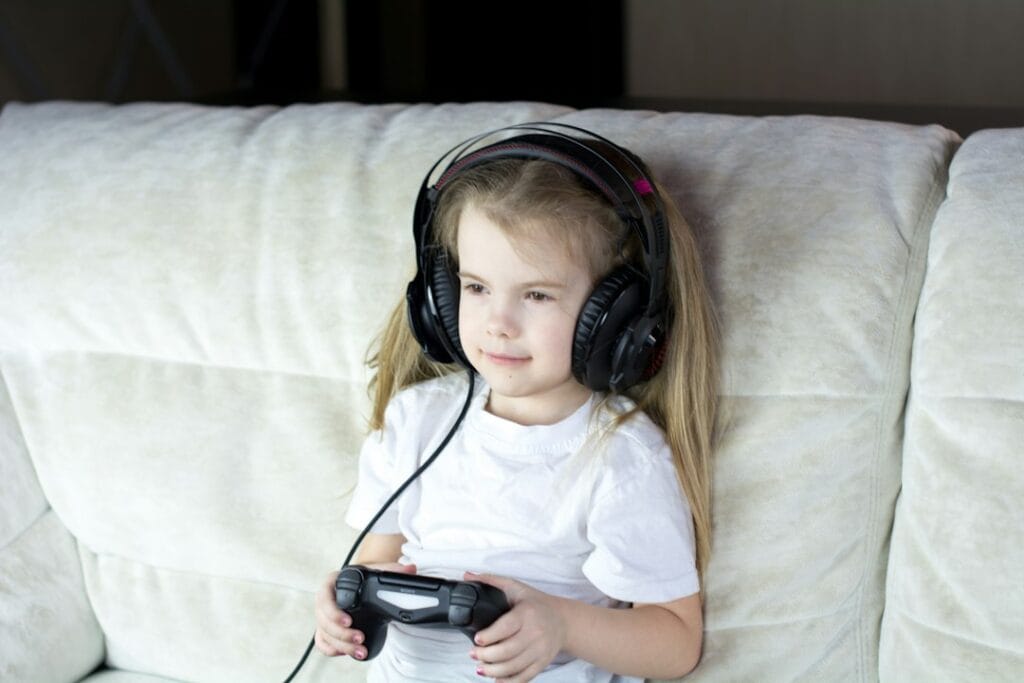
Young girl wearing headphones on a couch

The best headphones for kids are the Puro Sound Labs BT2200-Plus ($99): wireless, capped at 85 dB, and they held that limit in independent testing. On a budget, the BuddyPhones POP Fun ($39.99) had the most accurate volume limiter in the same tests. For parental controls and noise cancelling, the JBL Junior 470NC ($64.95) lets you set the maximum volume and daily listening time from an app.

Check the Puro Sound Labs BT2200-Plus on Amazon →

How we put this together: this guide is based on manufacturers’ official specifications, the WHO’s safe-listening guidance and published independent volume tests (linked below). It is not based on hands-on testing by iTech Level, and it isn’t medical advice. Prices are list prices at the time of writing. See how we choose products.

Best headphones for kids compared

HeadphonesBest forVolume limitBatteryList priceBuy
Puro Sound Labs BT2200-PlusBest overall85 dB (tested at 84.6 dB)Up to 20 hr, plus wired$99Check price
BuddyPhones POP FunMost accurate limiter for the money85 dB (tested at 84.4 dB) or 94 dBUp to 24 hr$39.99Check price
JBL Junior 470NCParental controls + noise cancelling85 dB, adjustable in the app28 hr (ANC on) / 50 hr$64.95Check price
EarFun K4NCLongest battery, budget ANC74, 85 or 94 dBUp to 120 hr$49.99Check price
JLab JBuddies Pro WirelessCheapest wireless, ages 8+85 or 95 dB switch35+ hr$34.99Check price

Volume limits and battery from each manufacturer. “Tested at” figures are Headphones Addict’s measurements (Bluetooth, 85 dB mode).

How loud is too loud for kids?

The World Health Organization’s safe-listening standard sets a weekly limit of 75 dB for 40 hours for children, against 80 dB for adults. Louder sound is safe for less time: by the WHO’s figures, a child can listen at 83 dB for about 6.5 hours a week, but at 92 dB for only about 45 minutes (WHO, WHO-ITU standard).

Most kids’ headphones cap volume at 85 dB. That’s a useful ceiling, not a guarantee of safe listening all day, and claims don’t always hold up. In a 2016 test of 30 kids’ headphones, Wirecutter found that half didn’t keep to their promised limit (Hearing Review), and in Headphones Addict’s 45 tests (last updated 2024), 60% went over the advertised limit. That’s why our top two picks are ones that measured at or under 85 dB.

The best headphones for kids in 2026

1. Puro Sound Labs BT2200-Plus: best headphones for kids

Puro’s kids’ headphones have been the safety benchmark for years: the original BT2200 was Wirecutter’s top pick, and Headphones Addict measured it at 84.6 dB against its 85 dB limit. The BT2200-Plus caps volume at 85 dB, is rated for up to 20 hours of wireless playback, and comes with a cable for wired listening when the battery runs out. Its earcups block 83% of outside noise at 1 kHz passively, which helps kids keep the volume down (Puro Sound Labs).

Good to know: at $99 it costs two to three times as much as the budget picks, and there’s no active noise cancelling.

Check the BT2200-Plus on Amazon →

2. BuddyPhones POP Fun: most accurate limiter for the money

For under $40, the POP Fun had the most accurate volume limiter Headphones Addict tested, at 84.4 dB in its 85 dB mode. They’re wireless, rated for 24 hours, and have a second 94 dB mode for noisy places like planes (BuddyPhones).

Good to know: leave them in the 85 dB mode for everyday use. The 94 dB mode is meant for short spells in loud surroundings: by the WHO’s figures, a child’s safe listening time at that level is well under an hour a week.

Check the POP Fun on Amazon →

3. JBL Junior 470NC: best for parental controls and noise cancelling

The Junior 470NC never goes beyond 85 dB, and the JBL Headphones app goes further: parents can set a lower maximum volume and a daily listening time, get daily or weekly listening reports, and record their own “time’s up” reminder. Active noise cancelling cuts background noise so kids can listen at lower volumes, and there’s a built-in mic for calls and school. JBL rates the battery at 28 hours with noise cancelling on and 50 hours with it off (JBL).

Good to know: the parental controls need the app on a parent’s phone, which is a small setup job before you hand them over.

Check the Junior 470NC on Amazon →

4. EarFun K4NC: longest battery, with noise cancelling

If charging is the battle in your house, EarFun rates the K4NC at up to 120 hours, with 10 hours from a 10-minute charge. It has three volume limits (74, 85 and 94 dBA), so you can pick the 74 dB setting for young children, plus active noise cancelling rated up to 39 dB and Bluetooth 5.4 (EarFun). It lists at $49.99 and has sold for much less during EarFun sales.

Good to know: we haven’t found independent measurements of its volume limits, so treat the figures as the maker’s claims.

Check the K4NC on Amazon →

5. JLab JBuddies Pro Wireless: cheapest wireless pick for ages 8+

At $34.99, the JBuddies Pro Wireless are the cheapest pick here. JLab rates them at 35+ hours, with 4 hours from a 10-minute charge. A switch toggles the limit between 85 dB and 95 dB, a cable lets them go wired at school, and a share mode lets two kids listen together. They’re designed for ages 8 and up (JLab).

Good to know: the 95 dB setting is close to normal adult headphone volume, so check the switch is on 85 dB, especially for younger kids.

Check the JBuddies Pro on Amazon →

Set a volume limit on the device, too

Headphone limiters are a backstop. You can also limit volume on the tablet or phone itself, which works with any headphones:

  • iPhone and iPad: go to Settings > Sounds & Haptics > Headphone Safety and turn on Reduce Loud Audio, then choose a level. To stop a child changing it, set Reduce Loud Sounds to Don’t Allow in Screen Time’s Content & Privacy Restrictions (Apple).
  • Turn on noise cancelling where the headphones have it. Blocking background noise is the easiest way to stop kids turning the volume up.
  • Take breaks. Time matters as much as volume: the WHO’s weekly limits add up across every hour of listening.

Also worth a look

Our verdict

The Puro Sound Labs BT2200-Plus are the best headphones for kids if you can spend $99, and the BuddyPhones POP Fun are the best value, with the most accurate limiter we found evidence for. Choose the JBL Junior 470NC for app controls and noise cancelling, the EarFun K4NC for the longest battery and a 74 dB setting, and the JLab JBuddies Pro Wireless as the cheapest wireless pair for kids 8 and up. Whatever you buy, set a limit on the device too.

Frequently asked questions

What are the best headphones for kids?

The Puro Sound Labs BT2200-Plus: wireless, capped at 85 dB, and measured at 84.6 dB in independent testing. The BuddyPhones POP Fun are the best budget pick, measured at 84.4 dB, and the JBL Junior 470NC add noise cancelling and app-based parental controls.

What volume is safe for kids’ headphones?

The WHO’s safe-listening standard for children is 75 dB for up to 40 hours a week. Most kids’ headphones cap volume at 85 dB, which is fine for a few hours a week. Keep total listening time down, especially at higher volumes.

Do volume-limiting headphones really work?

Many do, but not all. Independent tests have found that a large share of kids’ headphones exceed their advertised limit, so choose models with independent measurements and also limit volume on the device.

Are wireless headphones safe for kids?

For hearing, the main concerns are volume and listening time, whether the headphones are wired or wireless. Choose a volume-limited pair, set a limit on the device too, and keep an eye on how long they listen.

What age are kids’ headphones for?

It depends on the model, so check the maker’s age guidance and the headband size before buying. For example, the JLab JBuddies Pro Wireless are designed for ages 8 and up.

Related guides

Best Headphones for Kids (2026): 5 Volume-Limited Picks That Pass the Test Read More »

Best Headphones Under $100 (2026): 6 Over-Ear Picks With Noise Cancelling

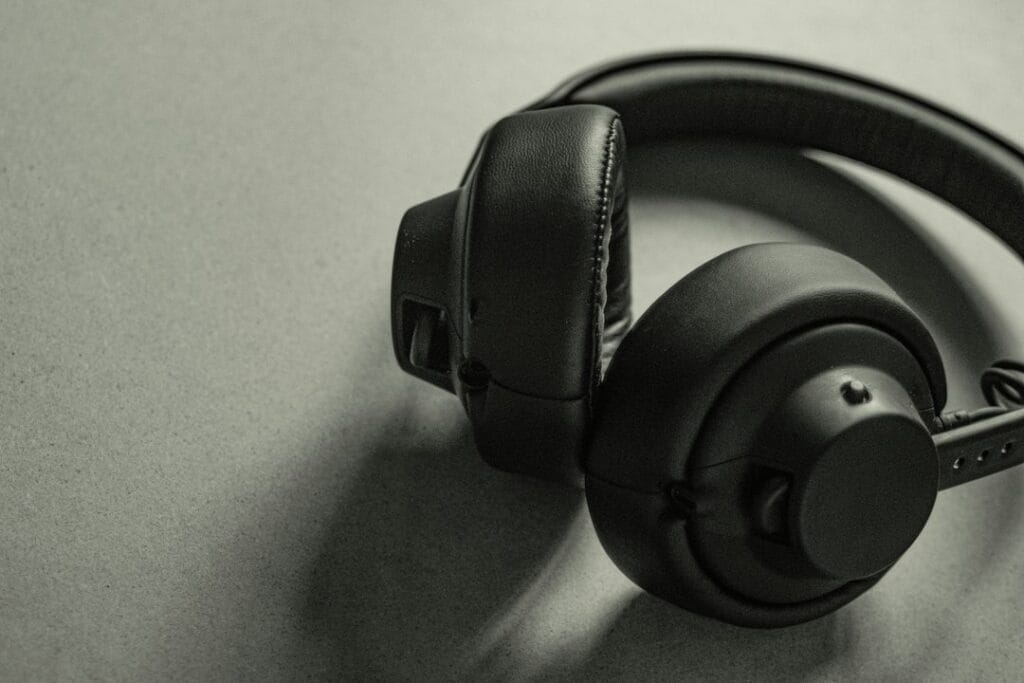
Black over-ear headphones on a grey surface

The best over-ear headphones under $100 for most people are the JLab JBuds Lux ANC ($84.99): good noise cancelling, 40 hours of battery with it on, multipoint and a full EQ app. The Soundcore Life Q30 ($79.99) is the best-reviewed all-rounder, the Edifier W830NB ($79.99) has the longest battery, and if you mostly listen at home, the wired Philips SHP9500 sounds better than any wireless pair at this price.

Check the JLab JBuds Lux ANC on Amazon →

How we put this together: this guide is based on manufacturers’ official specifications and published lab reviews from RTINGS and SoundGuys (linked below). It is not based on hands-on testing by iTech Level. Prices are list prices at the time of writing and change often. See how we choose products.

Best headphones under $100 compared

HeadphonesBest forNoise cancellingBattery (ANC on / off)List priceBuy
JLab JBuds Lux ANCBest overallHybrid, up to 35 dB40 / 70 hr$84.99Check price
Soundcore Life Q30Best-reviewed all-rounder3 modes40 / 60 hr$79.99Check price
Edifier W830NBLongest batteryUp to 45 dB54 / 94 hr$79.99Check price
EarFun Wave ProTravel on a budgetHybrid, up to 45 dB55 / 80 hr$79.99Check price
OneOdio Focus A6Cheapest with LDACHybrid, up to 48 dB75 hr (SoundGuys test)$69.99Check price
Philips SHP9500Wired, music at homeNone (open-back)None needed$99.99Check price

Specs and battery ratings from each manufacturer unless noted. Noise-cancelling figures in dB are the makers’ claims, not lab measurements.

What you get (and give up) under $100

  • Noise cancelling is now standard, and it’s good enough for buses, offices and flights, but it won’t match a $300+ Sony or Bose. Low hums are cut well; voices less so.
  • Battery life is often better than premium pairs. Every wireless pick here is rated for at least 40 hours with noise cancelling on.
  • Multipoint and app EQ are common. Most picks connect to a phone and a laptop at the same time and let you adjust the sound in an app.
  • What you give up: plasticky builds, weaker call mics, and noise cancelling that struggles with chatter. Bluetooth headphones also lag in fast games; see Bluetooth headphones for gaming.

The best headphones under $100 in 2026

1. JLab JBuds Lux ANC: best headphones under $100

The JBuds Lux ANC cover nearly everything people want from a pair of everyday headphones. JLab rates them at 40 hours with hybrid noise cancelling on (up to 35 dB) and 70 hours with it off, with 7.5 hours from a 10-minute charge. They have Bluetooth 5.4, multipoint for two devices at once, a Be Aware mode, and custom EQ in the JLab app (JLab). In SoundGuys’ lab tests they scored 8.1/10 for noise cancelling and 4.5/5 for sound, lasted 44 hours and can play audio over USB-C.

Good to know: some special-edition colors cost more ($104.99 for Navy at JLab), so compare colors before you buy.

Check the JBuds Lux ANC on Amazon →

2. Soundcore Life Q30: best-reviewed all-rounder

RTINGS, which has tested over 425 over-ear headphones, picks the Life Q30 as the best over-ear pair under $100: lightweight, well built and good for all-round use. Soundcore rates them at 40 hours with noise cancelling on and 60 hours off, with 4 hours from a 5-minute charge. There are three noise-cancelling modes (Transport, Outdoor and Indoor), plus multipoint over Bluetooth 5.3 (Soundcore).

Good to know: the sound is bass-heavy out of the box, which you can tone down in the app.

Check the Life Q30 on Amazon →

3. Edifier W830NB: longest battery life

If you hate charging, the W830NB is rated at about 54 hours with noise cancelling on and 94 hours with it off, and SoundGuys names it the best budget noise-cancelling pair under $100, with 4.4/5 for sound. It also supports LDAC for higher-quality Bluetooth audio on Android, Bluetooth 5.4, and noise cancelling up to 45 dB, and it weighs about 267 g (Edifier).

Good to know: SoundGuys found it slightly heavier than rivals, and taming its treble peaks in the EQ takes some fiddling.

Check the W830NB on Amazon →

4. EarFun Wave Pro: best for travel on a budget

The Wave Pro lists at $79.99 but has sold for under $60, and it’s SoundGuys’ pick for travel: 8.0/10 for noise cancelling and 80 hours of battery. EarFun rates it at 55 hours with hybrid noise cancelling (up to 45 dB) on, with wind-noise reduction, LDAC and multipoint (EarFun).

Good to know: LDAC and multipoint can’t be used at the same time, and SoundGuys rates the sound as only okay (3.5/5).

Check the Wave Pro on Amazon →

5. OneOdio Focus A6: cheapest with LDAC and Bluetooth 6.0

At $69.99, the Focus A6 is the cheapest pick here and one of the most up to date: Bluetooth 6.0 with dual-device connection, LDAC with Hi-Res Audio certification, hybrid noise cancelling rated up to 48 dB, and a light 240 g aluminum-finish design (OneOdio). SoundGuys measured 75 hours of battery and rated it 7.9/10 for noise cancelling and 4.4/5 for sound.

Good to know: there’s no wired playback option, so you can’t plug it in when the battery runs out.

Check the Focus A6 on Amazon →

6. Philips SHP9500: best wired headphones for music at home

If you listen at a desk and don’t need wireless, the SHP9500 is RTINGS’ pick for audiophile headphones under $100. They’re open-back, which gives a wider, more natural sound than closed headphones, with 50 mm drivers, a steel headband and a detachable 1.5 m cable. They weigh 320 g and plug into any 3.5 mm jack, including a laptop, a game controller or a DAC.

Good to know: open-back means sound leaks both ways: people nearby will hear your music, and you’ll hear the room. They’re not for commuting.

Check the SHP9500 on Amazon →

Also worth a look

  • Soundcore Space One: it had the strongest noise cancelling at $99.99 (40 hours with it on, LDAC), but Soundcore replaced it with the Space 2 in April 2026 at $129.99 (TechRadar). Buy the Space One only if you find it discounted below $100.
  • JBL Tune 760NC: RTINGS’ pick for calls under $100, but its price moves around, so check it’s actually under $100.
  • Prefer earbuds? See our best earbuds under $100.

Black Friday tips for budget headphones

Black Friday 2026 is November 27. Budget headphones are often discounted well below list price, so a $79.99 pair can drop toward $50. Compare the exact model name, since brands sell similar-looking older versions (the Space One against the Space 2, for example), and check the battery figure with noise cancelling on, not just the headline number.

Our verdict

The JLab JBuds Lux ANC are the best headphones under $100 for most people. Choose the Soundcore Life Q30 for a proven all-rounder, the Edifier W830NB for the longest battery, the EarFun Wave Pro for travel on a tight budget, the OneOdio Focus A6 for the newest Bluetooth and LDAC at $69.99, and the wired Philips SHP9500 for the best sound at home.

Frequently asked questions

What are the best headphones under $100?

The JLab JBuds Lux ANC for most people: hybrid noise cancelling, 40 hours of battery with it on, multipoint and an EQ app for $84.99. The Soundcore Life Q30 is RTINGS’ top over-ear pick under $100, and the Edifier W830NB has the longest battery.

Are noise-cancelling headphones under $100 any good?

Yes, for everyday use. Budget models cut low, steady noise such as engines and air conditioning well, but they’re weaker with voices and sudden sounds than $300+ models from Sony or Bose.

Which cheap headphones have the longest battery life?

The Edifier W830NB, rated at about 94 hours with noise cancelling off and 54 hours with it on. The EarFun Wave Pro (80 hours off) and OneOdio Focus A6 (75 hours in SoundGuys’ test) are close behind.

Is the Soundcore Space One still worth buying?

Only on sale. Soundcore replaced it with the Space 2 ($129.99) in April 2026. If you find the Space One below $100, it still has strong noise cancelling and 40 hours of battery.

Are wired headphones better than wireless under $100?

For sound quality at home, often yes: the wired, open-back Philips SHP9500 sounds more natural than wireless pairs at this price. For commuting and travel, wireless noise-cancelling headphones are far more practical.

Related guides

Best Headphones Under $100 (2026): 6 Over-Ear Picks With Noise Cancelling Read More »