Headphones

Best Sony Headphones for Gaming (2026): INZONE vs 1000X
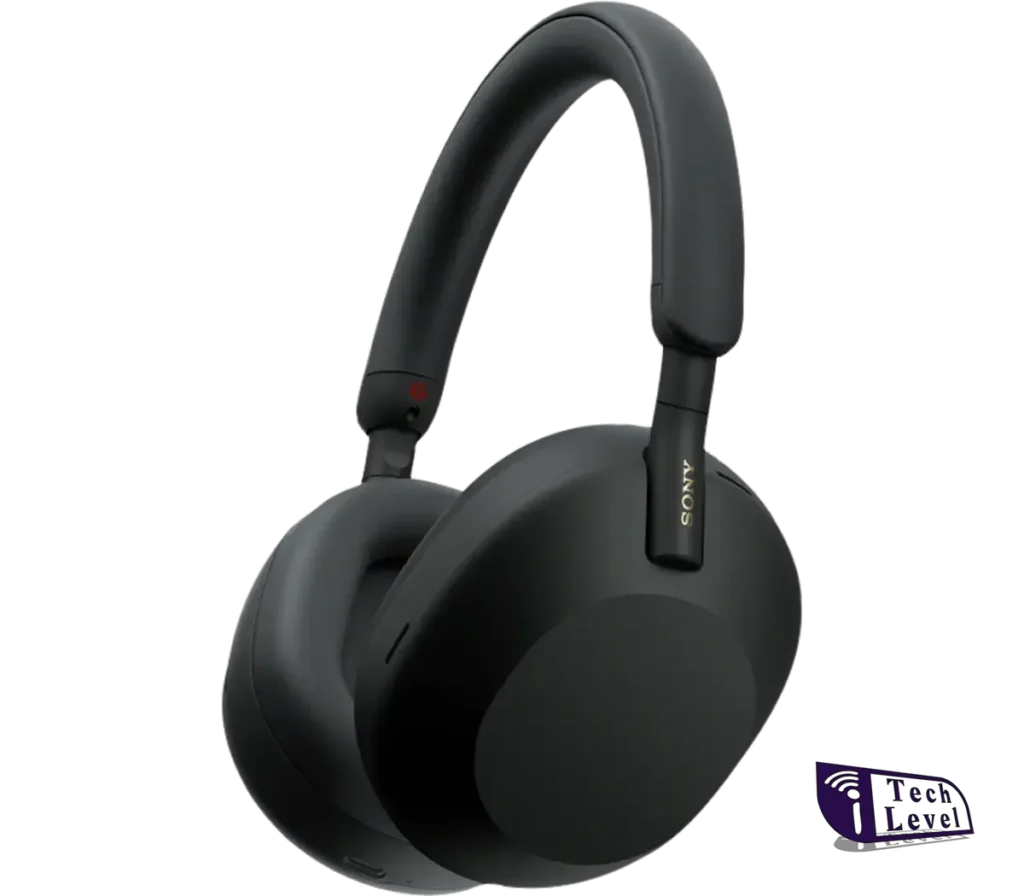
Sony WH-1000XM5 Wireless Noise Cancelling Headphones product photo iTech Level

Yes, Sony headphones are good for gaming, but only the right ones. Sony’s INZONE line (H9 II, H5, H3, INZONE Buds) and the PlayStation Pulse Elite are built for it, with low-latency wireless and proper microphones. The famous WH-1000X headphones (XM6, XM5, XM4) sound great and work well for casual gaming when plugged in, but they lag over Bluetooth, and their mic doesn’t work over the cable. For most gamers the INZONE H9 II is the best Sony pick; on PS5 on a budget, the INZONE H5.

Check the Sony INZONE H9 II on Amazon →

How we put this together: this guide is based on Sony’s and PlayStation’s official specifications and help guides, plus published measurements and reviews from independent outlets (linked below). It is not based on hands-on testing by iTech Level. See how we choose products.

Sony gaming headphones compared

ModelBest forConnectionNoise cancellingBatteryWeightBuy
INZONE H9 IIBest overall2.4GHz dongle, Bluetooth, 3.5 mmYesUp to 30 hr (ANC on)About 260 gCheck price
INZONE H5Best value (PC/PS5)2.4GHz dongle, 3.5 mmNoUp to 28 hrAbout 260 gCheck price
PlayStation Pulse EliteBest for PS5PlayStation Link, BluetoothNoUp to 30 hrAbout 340 gCheck price
INZONE BudsBest earbuds2.4GHz USB-C dongle, Bluetooth LE AudioYesUp to 12 hr (24 hr with case)About 6.5 g per budCheck price
INZONE H3Best budget (wired)WiredNoNone neededAbout 299 gCheck price
WH-1000XM6 / XM5Music first, casual gamingBluetooth, 3.5 mmYes (class-leading)Around 30 hrAbout 250 g—

Specs from Sony and PlayStation product pages and listings. Weights are approximate and exclude detachable mics.

Are Sony headphones good for gaming?

It depends on which family you mean. Sony makes two very different kinds of headphones:

  • Gaming headsets (INZONE and PlayStation): they connect through a dedicated low-latency wireless dongle or PlayStation Link, have a boom or built-in mic designed for voice chat, and work with a PS5 out of the box. These are the ones to buy if gaming is the main job.
  • Everyday headphones (WH-1000X, ULT, WH-CH series): they connect over Bluetooth, which adds noticeable delay, and consoles like the PS5 and Xbox don’t send game audio over Bluetooth at all. Plugged in with a 3.5 mm cable they have no lag, but on the 1000X models the headset mic stops working when wired.

If you already own a pair of XM4s, XM5s or XM6s, you can game with them: see our guides to the Sony XM4 for gaming and the XM5 and XM6 for gaming. For the numbers behind Bluetooth lag, see can you use Bluetooth headphones for gaming.

The best Sony headphones for gaming

1. Sony INZONE H9 II: best overall

The INZONE H9 II is the Sony headset that does everything. It uses the same drivers as the WH-1000XM6, adds active noise cancelling, and connects three ways: a 2.4GHz USB-C dongle for low-latency play on PC and PS5, Bluetooth (including LE Audio) for your phone, and a 3.5 mm cable. The detachable cardioid boom mic is a real gaming mic, which the 1000X line doesn’t have. At about 260 g without the mic and with a suspension headband, it’s light for a wireless headset, and Sony rates the battery at up to 30 hours with ANC on.

Good to know: it’s the priciest Sony gaming headset, and RTINGS’ review is a useful read on its sound and mic before you buy. If you mostly play on PS5 and don’t need ANC, the H5 or Pulse Elite costs less.

Check the INZONE H9 II on Amazon →

2. Sony INZONE H5: best value for PC and PS5

The INZONE H5 keeps what matters for gaming and drops the extras. You get the 2.4GHz dongle (plus a 3.5 mm option), a bidirectional boom mic with AI-based noise reduction, 40 mm drivers, up to 28 hours of battery and the same light 260 g build. On PS5 it shows on-screen settings and game/chat balance automatically.

Good to know: there’s no active noise cancelling and no Bluetooth, so it can’t double as your phone headphones. SoundGuys’ review covers its sound and mic in detail.

Check the INZONE H5 on Amazon →

3. PlayStation Pulse Elite: best for PS5 owners

Made by Sony Interactive for PlayStation, the Pulse Elite uses planar magnetic drivers and PlayStation Link, a lossless low-latency wireless connection that works with the PS5, PC, Mac and the PlayStation Portal. It can stay connected to your game over PlayStation Link and to your phone over Bluetooth at the same time. The mic retracts into the earcup, the battery is rated at up to 30 hours, and a 10-minute charge gives about 2 hours (PlayStation specs).

Good to know: at around 340 g it’s the heaviest pick here, there’s no ANC, and PlayStation Link on PC needs the included USB adapter.

Check the Pulse Elite on Amazon →

4. Sony INZONE Buds: best gaming earbuds

If you want gaming audio without a headset, the INZONE Buds connect through a small USB-C dongle with latency Sony rates at under 30 ms, which also makes them a good fit for a Switch, a Steam Deck or an Android phone with USB-C. They add active noise cancelling, Bluetooth LE Audio, and an AI noise-reducing mic. Sony’s specs list up to 12 hours of play on the dongle (11 hours with ANC on) and about 6.5 g per bud.

Good to know: a mic in an earbud can’t match a boom mic for voice clarity, so squad-chat regulars may prefer the H9 II or H5.

Check the INZONE Buds on Amazon →

5. Sony INZONE H3: best budget (wired)

The INZONE H3 is Sony’s entry-level wired gaming headset. It has no battery to charge and no wireless lag to worry about, a flip-up boom mic that mutes when raised, and support for Sony’s 360 Spatial Sound for Gaming on PC through the INZONE Hub app. It works with PC and PS5. At about 299 g it’s heavier than the wireless H5 and H9 II, but it’s usually the cheapest way into Sony gaming audio.

Check the INZONE H3 on Amazon →

6. Sony WH-1000XM6 or XM5: best if music comes first

If you want one pair of headphones for commuting, flights and some gaming, the 1000X line has the better noise cancelling and a more refined everyday design. For gaming, plug in the 3.5 mm cable for zero lag and use your controller or a separate mic for chat, because Sony’s help guide confirms the headset mic doesn’t work over the cable. Over Bluetooth they’re fine for single-player games on a phone or PC but lag in fast shooters. Our XM5 and XM6 gaming guide covers the details.

See the Sony WH-1000XM6 and the Sony WH-1000XM5. Already own the older XM4? Here’s how the XM4 does for gaming.

Which Sony headset for your platform?

  • PS5: INZONE H9 II, INZONE H5 or Pulse Elite (all wireless without Bluetooth). Other brands are in our best PS5 headsets guide. The 1000X headphones only work on PS5 wired through the controller.
  • PC: any INZONE model; the H9 II and H5 dongles give the lowest lag, and the INZONE Hub app adds EQ and spatial sound.
  • Xbox: Xbox doesn’t support these 2.4GHz dongles or Bluetooth audio, so use a 3.5 mm cable through the controller (the H9 II and H5 have a 3.5 mm option).
  • Switch, Steam Deck, phones: the INZONE Buds’ USB-C dongle is the neatest option; any model also works wired. More options in our best headphones for Switch 2 guide.

Frequently asked questions

Are Sony headphones good for gaming?

Sony’s INZONE gaming headsets and the PlayStation Pulse Elite are very good for gaming, with low-latency wireless and proper mics. Sony’s everyday WH-1000X headphones are good for casual gaming when plugged in with a cable, but they lag over Bluetooth and their mic doesn’t work over the cable.

What is the best Sony headset for gaming?

The Sony INZONE H9 II is the best all-round Sony gaming headset: low-latency 2.4GHz wireless, Bluetooth, active noise cancelling, a detachable boom mic and up to 30 hours of battery. The INZONE H5 is the best value, and the PlayStation Pulse Elite is a strong PS5-focused alternative.

Can I use Sony WH-1000XM5 or XM6 headphones for gaming?

Yes. Plug them in with the 3.5 mm cable for zero lag, but use your controller’s mic or a separate mic because the headset mic doesn’t work over the cable. Over Bluetooth they’re fine for single-player games but lag in competitive shooters, and PS5 and Xbox don’t send game audio over Bluetooth.

Do Sony INZONE headsets work with Xbox?

Not wirelessly. Xbox doesn’t support Sony’s 2.4GHz dongles or Bluetooth audio, so connect a model with a 3.5 mm option, such as the INZONE H9 II or H5, to the Xbox controller with a cable.

Is the PlayStation Pulse Elite better than the INZONE H9 II?

For PS5-only players who want PlayStation Link and a retractable mic, the Pulse Elite is a strong choice. The INZONE H9 II is more versatile: it adds active noise cancelling, a 3.5 mm option, a detachable boom mic and a lighter build (about 260 g versus 340 g).

Related guides

Best Sony Headphones for Gaming (2026): INZONE vs 1000X Read More »
Can You Use Bluetooth Headphones for Gaming? Latency Explained (2026)

A close-up of a wooden hourglass with blue sand on a wooden desk, symbolizing time and patience.

Short answer: you can use Bluetooth headphones for gaming, but standard Bluetooth adds roughly 150–200 ms of delay, which is enough to hear footsteps and gunshots after they happen on screen. That’s fine for story games and videos, not for competitive play. For lag-free gaming, use a wired connection or a headset with a 2.4 GHz USB dongle. The newer Bluetooth LE Audio (LC3) standard closes most of the gap, but few consoles support it yet.

How we put this together: latency figures come from published codec specifications and independent measurements (linked at the end), not from hands-on testing by iTech Level. Real-world delay also depends on your phone, PC or console, so treat the numbers as typical ranges.

How much delay is too much?

Broadcast standards give a useful benchmark. The ATSC recommends keeping audio within about 45 ms behind the picture, and research on lip sync puts the point where most people notice a mismatch at around 40–45 ms. Standard Bluetooth is three to four times over that, which is why it feels “off” in fast games even when it’s fine for YouTube, where apps and TVs can delay the video to match.

Games can’t do that trick. Your inputs have to happen in real time, so the audio simply arrives late.

Latency by connection type

ConnectionTypical delayGood for competitive gaming?
Wired (3.5 mm or USB)Effectively zeroYes
2.4 GHz USB dongle (gaming headsets)Very low; designed for gamingYes
Bluetooth LE Audio (LC3)~20–30 ms codec latency; ~30–50 ms measured on the Sony XM6Mostly, where supported
aptX Adaptive~80 msCasual only
Standard Bluetooth (SBC / AAC)~150–200 ms or moreNo
LDAC (hi-res Bluetooth)Similar to SBC or higherNo

Tip: if your headphones support several codecs, choose AAC or LC3 over LDAC for gaming. LDAC is great for music quality but has the most delay.

Can you use Bluetooth headphones on each platform?

PS5

No, not directly. The PS5 doesn’t support Bluetooth audio. Your options are to plug your headphones into the DualSense controller’s 3.5 mm jack, use a USB-dongle headset, or use a headset built on Sony’s PlayStation Link wireless tech, such as the PlayStation Pulse Elite, which Sony describes as lossless and ultra-low latency.

Xbox Series X|S

No. Xbox consoles don’t support Bluetooth audio either. Plug into the controller’s headset jack, or use a headset made for Xbox Wireless or with an Xbox-compatible dongle, such as the SteelSeries Arctis Nova 7X.

Nintendo Switch and Switch 2

Yes. The Switch gained Bluetooth audio in a 2021 update, and the Switch 2 supports it too, but expect standard Bluetooth delay. Wired is better for rhythm and action games. The Switch 2 doesn’t support Bluetooth microphones, so for GameChat use a USB-C dongle or wired headset: see our best headphones for Switch 2.

PC

Yes, but with a catch: when you use the headset mic over Bluetooth, Windows usually switches to a low-quality “headset” profile, and game audio sounds noticeably worse. A USB dongle headset or a separate desk mic avoids this.

Phones

Yes, and phones are where Bluetooth gaming works best. Many earbuds have a “game mode” that trims delay, and newer Android phones with LE Audio can get close to wired latency with compatible earbuds and headphones.

What about Sony’s WH-1000X headphones?

They’re some of the most popular headphones people try to game with. The short version: excellent wired, laggy over standard Bluetooth, and the headset mic doesn’t work over the cable. We cover each model in detail:

Wireless headsets that are actually built for gaming

If you want wireless without the lag, these use a 2.4 GHz dongle or a console-specific wireless link instead of relying on Bluetooth for game audio:

HeadsetLow-latency connectionAlso has BluetoothWorks with
Sony INZONE H9 II2.4 GHz USB-C dongleYes, plus LE AudioPC, PS5, Switch, mobileCheck price
SteelSeries Arctis Nova 7 Gen 22.4 GHz dongleYes, and it can mix both at oncePC, PS5, Switch, mobile (7X version for Xbox)Check price
PlayStation Pulse ElitePlayStation Link (USB adapter)YesPS5, PC, Mac, PlayStation PortalCheck price

The INZONE H9 II uses the same drivers as the Sony WH-1000XM6, so it’s the closest thing to “XM6 sound without the lag,” with a proper boom mic. The Arctis Nova 7’s ability to mix dongle audio with Bluetooth is handy if you take calls or use Discord on your phone while gaming.

How to reduce Bluetooth lag

  • Use the lowest-latency codec your devices share: LC3, then aptX Adaptive, then AAC. Avoid LDAC for gaming.
  • Turn on game mode in your earbuds’ app if it has one.
  • Keep the source close with nothing blocking the signal; dropouts and re-buffering add delay.
  • Turn off multipoint while gaming on headphones that lower codec quality or add buffering when two devices are connected.
  • Go wired for competitive play. Most headphones include a 3.5 mm cable; it’s the only zero-latency option on consoles.

Frequently asked questions

Is Bluetooth good for gaming?

For casual and story games, yes. For fast competitive games, standard Bluetooth’s 150–200 ms delay is noticeable. Use wired, a 2.4 GHz dongle headset, or Bluetooth LE Audio where your device supports it.

Do Bluetooth headphones have lag in games?

Yes. Standard Bluetooth (SBC or AAC) typically adds about 150–200 ms, while LE Audio’s LC3 codec cuts that to roughly 20–50 ms depending on the device.

Why doesn’t the PS5 support Bluetooth headphones?

Sony and Microsoft left Bluetooth audio out of the PS5 and Xbox mainly because of latency and bandwidth. Standard Bluetooth is too slow for game audio, so they use their own low-latency wireless systems instead.

Can I use AirPods or other earbuds for gaming?

On a phone, tablet or Switch, yes, with standard Bluetooth delay. On PS5 and Xbox, not directly, because those consoles don’t support Bluetooth audio.

What is the lowest-latency wireless option for gaming?

A headset with a 2.4 GHz USB dongle or a console-specific link like PlayStation Link. These are designed for gaming and avoid Bluetooth’s delay.

Related reading

Sources: SoundGuys: understanding Bluetooth codecs; Ceva: LE Audio and LC3 latency; SoundGuys WH-1000XM6 review (measured latency); Latency (audio), incl. ATSC IS-191 lip-sync guidance; What Hi-Fi: why Bluetooth headphones don’t work on PS5 or Xbox.

As an Amazon Associate, iTech Level earns from qualifying purchases. Prices change often, so check current prices on Amazon.

Can You Use Bluetooth Headphones for Gaming? Latency Explained (2026) Read More »

Are the Sony WH-1000XM5 and XM6 Good for Gaming? (2026 Guide)

Person wearing Sony WH-1000XM6 headphones while working on a laptop in a café

Short answer: the Sony WH-1000XM5 and WH-1000XM6 are excellent headphones for single-player and casual gaming, especially plugged in with the included cable. For competitive online play on PS5 or Xbox, they’re the wrong tool: consoles don’t send game audio over Bluetooth, and the headset mic doesn’t work over the cable. If you want Sony sound with low-latency wireless and a real boom mic, the INZONE H9 II (same drivers as the XM6) is the one built for gaming. For every Sony option ranked, including the cheaper INZONE H5 and the PlayStation Pulse Elite, see our best Sony headphones for gaming.

How we put this together: this guide is based on Sony’s official specifications and help guides, plus published latency measurements and hands-on reports from independent reviewers (linked below). It is not based on hands-on testing by iTech Level.

Can you use the Sony XM5 or XM6 for gaming?

Yes, but how well it works depends almost entirely on how you connect them:

  • Wired (3.5 mm cable): effectively zero lag on both models. This is the best way to game with them, and it works on a PS5 or Xbox controller, a Switch, a Steam Deck or a PC. The catch: the headset microphone does not work over the cable (Sony’s own help guide says you talk through your phone’s mic when wired), so you’ll need the controller mic or a separate mic for chat.
  • Standard Bluetooth (SBC / LDAC): around 100–200 ms of delay, according to SoundGuys’ measurements of the XM6. Fine for story games, videos and turn-based games; noticeable in shooters and rhythm games.
  • AAC and LC3 (lower-latency Bluetooth): about 30–50 ms on the XM6, depending on the source device. That’s much better, but only phones and PCs that support these codecs benefit.
  • LE Audio gaming mode (XM6 only): a July 2026 firmware update added the Bluetooth Gaming Audio Profile (GMAP) to the XM6, promising lower latency and usable mic chat without game audio dropping to call quality. SoundGuys found it works on a Samsung Galaxy S24 Ultra, but PS5 and Xbox don’t support Bluetooth audio at all, and neither Nintendo (Switch 2) nor Valve (Steam Deck) has enabled it yet.

New to Bluetooth latency? Our Bluetooth headphones for gaming explainer covers delay by codec and what works on each console.

XM5 vs XM6 for gaming: side by side

Sony WH-1000XM5Sony WH-1000XM6Sony INZONE H9 II (gaming headset)
Released2022May 2025Aug 2025
Weight~250 g~254 g~260 g
Bluetooth codecsSBC, AAC, LDACSBC, AAC, LDAC, LC3Bluetooth + LE Audio
Low-latency wirelessNoLC3 / LE Audio (limited device support)Yes: 2.4 GHz USB-C dongle (PC, PS5)
Wired 3.5 mmYes, no lagYes, no lagYes
Mic for game chatBluetooth only (call-quality audio)Bluetooth only; better with LE Audio on supported phonesDetachable cardioid boom mic
MultipointYesYesNot listed
Rated battery (ANC on)Up to 30 hUp to 30 h (SoundGuys measured 37 h)Up to 30 h
Folds for travelNo (lies flat)YesNot listed
Best forWired gaming + travel ANCWired gaming, phone gaming, travelCompetitive PC/PS5 gaming

Which one should you buy for gaming?

Buy the XM5 if:

  • You mostly play single-player games and don’t mind plugging in the cable.
  • You want top-tier noise cancelling for travel and commuting first, gaming second.
  • You want to save money: the XM5 is the older model and is often discounted.

Buy the XM6 if:

  • You game on an Android phone that supports LE Audio, where the XM6’s gaming mode actually works today.
  • You want the newest noise cancelling, a folding design and the lowest Bluetooth latency Sony offers in this line.
  • You’re buying one headphone for everything and gaming is a regular but not competitive part of it.

Skip both and get a gaming headset if:

  • You play competitive shooters where every millisecond and clear team chat matter.
  • You play on PS5 or PC wirelessly and want a proper boom mic. The Sony INZONE H9 II uses the same drivers as the XM6 and adds a 2.4 GHz dongle and a cardioid boom mic.

What about the XM4?

The XM4 behaves much like the XM5 for gaming: great wired, laggy over standard Bluetooth, and no mic over the cable. We cover it in detail in our Sony WH-1000XM4 for gaming guide. If you already own the XM4, upgrading to the XM5 won’t change much for gaming; the XM6’s LC3 and LE Audio support is the only meaningful gaming upgrade in the series.

Setup tips for gaming with Sony XM headphones

  • PS5 / Xbox: plug the included cable into the controller’s 3.5 mm jack. Game audio comes through the headphones; use the controller’s built-in mic (PS5) or a separate mic for chat.
  • PC: wired gives zero lag. Over Bluetooth, Windows switches to a low-quality “headset” profile the moment the mic is in use. A USB or desk mic avoids that.
  • Android phones: on the XM6, enable LE Audio in the Sony Sound Connect app if your phone supports it; otherwise prefer AAC over LDAC for lower lag.
  • Turn LDAC off for gaming: LDAC sounds great for music but has the highest delay.
  • Nintendo Switch: the original Switch and Switch 2 both support Bluetooth audio, but expect standard Bluetooth lag. Wired is better for rhythm or action games.

Frequently asked questions

Are Sony headphones good for gaming?

Sony’s WH-1000X series sounds excellent for immersive single-player games, especially wired. For competitive online gaming, Sony’s INZONE headsets are the better choice because they add a low-latency wireless dongle and a boom mic.

Do the Sony XM5 or XM6 have lag when gaming?

Over standard Bluetooth, yes: roughly 100–200 ms with SBC or LDAC. With AAC or LC3 on the XM6 it drops to about 30–50 ms, and with the cable it’s effectively zero.

Can you use the Sony XM5 or XM6 on PS5?

Only wired. The PS5 doesn’t support Bluetooth headphones, so plug the included cable into the DualSense controller. The headset mic won’t work that way; use the controller’s mic instead.

Can you use the Sony XM5 or XM6 on Xbox?

Same as PS5: Xbox consoles don’t support Bluetooth audio, so use the 3.5 mm cable through the controller’s headset jack.

Does the microphone work for game chat?

Only over Bluetooth, and on most PCs that drops game audio to call quality while the mic is active. The XM6’s LE Audio gaming mode fixes this on supported Android phones. Over the cable, the headset mic doesn’t work on either model.

Is the XM6 worth it over the XM5 for gaming?

Only if you game on a phone that supports LE Audio or LC3. For wired console gaming the two perform the same, so the cheaper XM5 is the better value.

Related reading

Sources: SoundGuys WH-1000XM6 review (latency, battery); SoundGuys hands-on with the XM6 gaming update; Sony WH-1000XM6 help guide: using the supplied cable; Sony WH-1000XM5 specifications.

As an Amazon Associate, iTech Level earns from qualifying purchases. Check current prices on Amazon, as they change often.

Are the Sony WH-1000XM5 and XM6 Good for Gaming? (2026 Guide) Read More »

Best Noise-Cancelling Headphones (2026): 6 Over-Ear Picks

Person wearing over‑ear headphones while commuting on a train

The best noise-cancelling headphones in 2026 are the Sony WH-1000XM6: top-tier noise cancelling from 12 microphones, up to 30 hours with ANC, LDAC, and a design that folds for travel. The Bose QuietComfort Ultra (2nd Gen) are the most comfortable, the Sennheiser Momentum 5 last longest (up to 57 hours), and the Soundcore Space 2 are the best budget pick at $129.99. Prefer earbuds? See our best noise-cancelling earbuds.

How we put this together: picks are based on manufacturer specs and published reviews, not hands-on testing by iTech Level. See how we choose products.

On a long commute, in a busy office or on a long-haul flight, the right headphones can turn noise into calm. Today’s market has premium flagships and smart budget options, all promising strong noise cancelling (ANC), all-day comfort and long battery life.

We judge each pair on four things: how well the ANC works, comfort over hours of wear, battery life for travel, and sound quality. We also look at how each one fits your devices, whether you use Apple, Android or both.

Below you’ll find a flagship pick, a comfort pick, a battery-life pick, an Apple pick, a value pick and a budget pick, so you can match the right headphones to your routine.

Prefer earbuds? See our best wireless earbuds under $150.

Comparison at a glance

ProductPriceKey specs 
Best Overall Sony WH-1000XM6$459.99 list; $378 on Amazon (Oct 2026)QN3 processor with 12 mics; up to 30 h with ANC; LDAC and LC3; foldsCheck on Amazon
Most Comfortable Bose QuietComfort Ultra (2nd Gen)$449 list; $369 on Amazon (Oct 2026)Immersive Audio and Cinema mode; up to 30 h; lossless audio over USB-CCheck on Amazon
Best Battery Life Sennheiser Momentum 5 Wireless$350–$400Up to 57 h battery; aptX Lossless; user-replaceable batteryCheck on Amazon
Best for Apple Users Apple AirPods Max 2$549 at Apple; $478 on Amazon (Oct 2026)H2 chip ANC (up to 1.5x the previous model); Adaptive Audio; up to 20 h; lossless over USB-CCheck on Amazon
Best Value Beats Studio Pro$299.99 list; $149.95 on Amazon (Oct 2026)ANC; Spatial Audio; up to 40 h (24 with ANC); lossless over USB-CCheck on Amazon
Best Budget Soundcore Space 2$129.99 list; $99.99 on Amazon (Oct 2026)4 ANC modes; 53 h with ANC (SoundGuys test); LDAC with multipointCheck on Amazon

The picks

Best Overall: Sony WH-1000XM6

The most powerful ANC headphones for commuters and travelers, with premium sound and crystal‑clear calls.

The Sony WH-1000XM6 sets the benchmark for noise cancelling. Its QN3 processor is seven times faster than the previous generation and drives 12 microphones to cancel noise in real time. A lightweight carbon-fiber driver keeps vocals and instruments clear and balanced. With up to 30 hours of battery life with ANC on, it lasts through long flights and a week of commutes.

It’s also excellent for calls: a six-microphone beamforming system picks out your voice, even in busy places. And unlike the XM5, it folds into a compact case, which makes it the best all-rounder for travel.

Pros

  • Top-tier ANC: QN3 processor and 12 microphones
  • High‑fidelity carbon‑fiber driver
  • 30‑hour battery life with ANC
  • Excellent call clarity with AI beamforming

Cons

  • Costs more than the still-excellent XM5
  • Slightly heavier than the XM5 (about 254 g vs 250 g)

Flaws but not dealbreakers

It costs noticeably more than the XM5, which is still excellent and often discounted. If you don’t need the folding design or LE Audio support, the XM5 is the better value.

Check on Amazon →

Most Comfortable: Bose QuietComfort Ultra (2nd Gen)

The most comfortable flagship here, with immersive spatial audio and strong noise cancelling.

The Bose QuietComfort Ultra (2nd Gen) is the most comfortable flagship here. Soft ear cushions and a plush headband make long sessions easy. You get three listening modes (Quiet, Aware and Immersion) plus a new Cinema mode for movies on the go.

Battery life reaches up to 30 hours (23 with Immersive Audio), and you can listen over USB-C while it charges. The mics handle calls and video meetings well, and Immersive Audio places sound around you. It suits listeners who put comfort and flexible listening modes first.

Pros

  • Ultra‑soft ear cushions for all‑day comfort
  • Strong noise cancelling with Quiet, Aware and Immersion modes
  • Immersive spatial audio and dedicated Cinema Mode
  • 30‑hour battery life with USB‑C fast charging

Cons

  • No LDAC (aptX Adaptive on Snapdragon Sound phones)
  • One of the priciest pairs here

Flaws but not dealbreakers

There’s no LDAC: Android users get aptX Adaptive only on phones with Snapdragon Sound. It’s also one of the priciest pairs here, so if comfort isn’t your top priority, the Sony XM6 or XM5 may be better value.

Check on Amazon →

Best Battery Life: Sennheiser Momentum 5 Wireless

Unmatched 57‑hour ANC battery life makes the Momentum 5 the ultimate travel companion for audiophiles.

The Sennheiser Momentum 5 Wireless has the longest battery life of these picks: up to 57 hours. Its 42 mm drivers, inspired by Sennheiser’s HD 600, sound rich and detailed. Support for aptX Lossless and aptX Adaptive gets the most out of Android phones with Snapdragon Sound. Sennheiser says its hybrid adaptive ANC, with eight microphones, is up to three times stronger in the midrange than the Momentum 4’s.

The battery is user-replaceable, which helps the headphones last for years. It’s a premium pick for listeners who want great sound and very long battery life.

Pros

  • 57‑hour battery life with ANC enabled
  • 42 mm HD 600‑inspired drivers for rich, detailed sound
  • Hybrid adaptive ANC up to 3× stronger than previous model
  • Replaceable battery reduces electronic waste

Cons

  • ANC trails Sony and Bose’s best
  • Premium price

Flaws but not dealbreakers

Noise cancelling is much improved but still trails the Sony XM6 and Bose QuietComfort Ultra. It’s also a premium purchase, so it makes most sense if you’ll use the extra battery life.

Check on Amazon →

Best for Apple Users: Apple AirPods Max 2

Apple’s over-ear headphones, updated in 2026 with the H2 chip and stronger noise cancelling.

Apple released the AirPods Max 2 in April 2026 at $549. They move to Apple’s H2 chip, and Apple says their noise cancelling is up to 1.5x more effective than the previous generation. They add the features AirPods Pro owners already have, including Adaptive Audio, Conversation Awareness, Live Translation and Loud Sound Reduction, and the USB-C port carries lossless audio over a cable (Apple Newsroom). Apple rates the battery at up to 20 hours with noise cancelling, and they keep the stainless-steel frame and knit-mesh canopy (Apple).

They’re built for iPhone, iPad and Mac owners who want seamless switching between devices. The drawbacks are the price, the weight (Apple lists 386.2 g, heavy for all-day wear) and battery life: 20 hours is well behind the Sony’s 30 and the Sennheiser’s 57. If you see the 2024 USB-C AirPods Max discounted, note that they use the older H1 chip and miss the new features.

Pros

  • Noise cancelling up to 1.5x more effective than the previous AirPods Max (Apple)
  • Adaptive Audio, Conversation Awareness and Live Translation
  • Lossless, ultra-low-latency audio over USB-C
  • Seamless switching across iPhone, iPad and Mac

Cons

  • High price ($549)
  • Heavy at 386 g
  • Shorter battery life than Sony, Bose and Sennheiser rivals

Check the AirPods Max 2 on Amazon →

Best Value: Beats Studio Pro

Premium ANC and spatial audio at a price that undercuts the AirPods Max.

New in 2026: Beats launched the Beats 360 ($349.99) in September 2026, and Apple cut the Studio Pro to $299.99. See Beats Studio Pro vs Beats 360 for which to buy.

The Beats Studio Pro offer a lot for the price: solid noise cancelling, Personalized Spatial Audio and one-touch pairing on both iPhone and Android. Battery life is up to 40 hours with ANC off and 24 with it on, and the USB-C port plays lossless audio over a cable.

The trade-offs: the noise cancelling isn’t as strong as Sony’s or Bose’s best, and Android users don’t get Personalized Spatial Audio, which needs an Apple device.

Pros

  • Solid ANC and Transparency mode
  • Personalized Spatial Audio for Apple devices
  • Long battery life (40 hrs without ANC, 24 hrs with ANC)
  • USB‑C lossless wired audio and fast‑pair for both Apple and Android

Cons

  • ANC trails Sony and Bose flagships
  • Limited spatial audio personalization on Android

Check Price on Amazon →

Best Budget: Soundcore Space 2

The Space One’s successor: over 50 hours with ANC on, LDAC that works with multipoint, and a very comfortable fit.

Soundcore replaced the popular Space One with the Space 2 in April 2026, at $129.99. In SoundGuys‘ review it lasted 53 hours 21 minutes with noise cancelling on, beating its 50-hour rating, and blocked an average of 84% of outside noise, which is impressive for the price, though not at Sony or Bose level. It supports LDAC for hi-res audio on Android, and unlike most headphones it keeps LDAC while connected to two devices at once. It has Bluetooth 6.1, four noise-cancelling modes (office, transit, airplane and manual), a 3.5 mm input and weighs about 261 g.

SoundGuys found it exceptionally comfortable, with a feature-rich app. The catch is the default sound, which they describe as dull and closed-in until you adjust the EQ.

Pros

  • Over 53 hours with ANC on in testing
  • LDAC works with multipoint
  • Very comfortable, with plush padding
  • Strong noise cancelling for the price

Cons

  • Dull default tuning; needs EQ
  • Transparency mode has audible hiss
  • $30 more than the Space One’s launch price

Flaws but not dealbreakers

Plan to spend a few minutes in the EQ, and frequent flyers may still want a Sony or Bose for the strongest noise cancelling. If you find the older Space One discounted below $100, it’s still a good buy, with up to 40 hours with ANC on and LDAC. On a tighter budget, see our best headphones under $100.

Check the Space 2 on Amazon →

Also worth a look

  • Sony WH-1000XM5: the XM6’s predecessor, still excellent and often discounted. Up to 30 hours with ANC and LDAC, but it lies flat instead of folding.
  • Bose QuietComfort Ultra (1st gen): replaced by the 2nd Gen, which adds longer battery life (30 vs 24 hours) and USB-C audio. Worth it at a clear discount.
  • Soundcore Life Q30: much cheaper than the Space 2 at $79.99, with up to 40 hours with ANC and three ANC modes, but no LDAC.
  • JBL Tour One M2: adaptive ANC, multipoint and up to 30 hours with ANC (50 without); best bought on sale.
  • Sony WH-1000XM4: older, but it folds and is often much cheaper; see whether it suits gaming in our guide.

How often will you charge? Battery life in real routines

Battery ratings are easier to compare as days than as hours. We took each pick’s battery life with noise cancelling on and worked out how long a full charge lasts for a 2-hour daily commute, a 4-hour day of commuting plus office or study time, and 10-hour flights. All figures are rounded down. They’re best-case numbers: makers measure at moderate volume, so listening louder or taking lots of calls will shorten them.

HeadphonesANC-on battery2 h a day4 h a day10-hour flights per charge
Sennheiser Momentum 5 Wireless57 h (rated)28 days14 days5
Soundcore Space 253 h (SoundGuys test)26 days13 days5
Sony WH-1000XM630 h (rated)15 days7 days3
Bose QuietComfort Ultra (2nd Gen)30 h (rated)15 days7 days3
Beats Studio Pro24 h (rated)12 days6 days2
Apple AirPods Max 220 h (rated)10 days5 days2

The gap is bigger than the hours suggest. At 4 hours a day, the Momentum 5 and Space 2 need charging about every two weeks, the Sony and Bose about once a week, and the AirPods Max 2 every five days. For a long-haul return trip, only the Momentum 5 and Space 2 get you there and back twice without a charger. And the budget Space 2 lasts almost as long as the Sennheiser for a fraction of the price.

What to look for

Choosing over-ear ANC headphones means balancing a few factors. Not every feature matters equally, so focus on what fits your routine:

  • ANC performance: Look past marketing claims to independent measurements of how much low rumble (engines) and higher-pitched chatter each pair blocks.
  • Comfort and build: Ear-cup size, padding and headband pressure decide whether you can wear them for hours without fatigue.
  • Battery life: For travel, aim for at least 30 hours with ANC on; quick charging is a bonus.
  • Sound and codecs: Balanced sound works for music, podcasts and calls. Hi-res Bluetooth codecs like LDAC or aptX Adaptive help on compatible Android phones, and some Apple and Beats headphones play lossless audio over USB-C.
  • Device compatibility: Multipoint Bluetooth and platform features (Apple Spatial Audio, Android Fast Pair) make daily use smoother.
  • Extras: Spatial audio, adaptive ANC, personalization apps and a folding design for travel.

Weigh these against your budget and how you listen, and you’ll find a pair that delivers real quiet, comfort and lasting battery life.

Watch: Sony WH-1000XM6 vs Bose QuietComfort Ultra (2nd Gen)

Still torn between our top two picks? SoundGuys, whose measurements we cite throughout this guide, put the two flagships side by side in this 12-minute comparison. Their answer matches ours: it depends on what you value most.

Video by SoundGuys, embedded from YouTube. Watch on YouTube.

Our verdict

The Sony WH-1000XM6 are the best noise-cancelling headphones for most people: top-tier ANC, clear calls, LDAC and a folding design. If comfort matters most, choose the Bose QuietComfort Ultra (2nd Gen). For the longest battery life, the Sennheiser Momentum 5 last up to 57 hours and have a replaceable battery.

Apple users will feel at home with the AirPods Max 2, the Beats Studio Pro bring Apple-friendly features for less, and the Soundcore Space 2 are the best budget pick, with LDAC and over 50 hours with ANC.


Find My Earbuds

Want a personalized recommendation? Try our 30-second earbuds finder.

Gaming on Sony headphones? See the best Sony headphones for gaming.

Black Friday 2026: what to expect

Next sale: Black Friday

Prime Big Deal Days has ended. Black Friday is November 27, 2026, and Cyber Monday is November 30. Amazon's Black Friday deals often start a few days early. Our picks are chosen on year-round value, not just sale pricing; tap any link to see today's price.

Black Friday 2026 is November 27, with many deals starting the week before and running through Cyber Monday (November 30). For reference, here’s what our picks sold for on Amazon at Black Friday 2025. If this year’s price is at or below these, it’s a genuinely good deal.

ModelBlack Friday 2025 priceList price thenSource
Sony WH-1000XM6$398$450–$4609to5Toys
Sony WH-1000XM5$248$399.99Engadget
Bose QuietComfort Ultra Headphones (2nd Gen)$399$4499to5Toys
  • Last year’s model is often the best deal. The XM5 fell to $248 while the newer XM6 only dropped to $398, and both are excellent.
  • New models have no deal history. The Soundcore Space 2 (April 2026) hasn’t been through a Black Friday yet, so compare it against its $129.99 list price.
  • Compare against the price history, not the “was” price, since some “was” prices are inflated.

Frequently Asked Questions

How does active noise cancellation actually work?

ANC uses built‑in microphones to pick up ambient sound, then a processor creates an inverse sound wave that cancels out the noise before it reaches your ears.

Can I use these headphones with both iOS and Android devices?

Yes. Most models support standard Bluetooth and offer platform‑specific features like Apple Spatial Audio or Android Fast Pair, but core ANC and audio playback work on any device.

What battery life can I expect with ANC turned on?

Battery life varies by model; flagship units typically deliver 20‑30 hours with ANC active, while budget and travel‑focused headphones can exceed 40 hours.

Do these headphones support high‑resolution or lossless audio?

Several do. The Sony WH-1000XM6 and Soundcore Space 2 support LDAC, the Sennheiser Momentum 5 support aptX Lossless and aptX Adaptive, the Bose QuietComfort Ultra (2nd Gen) support aptX Adaptive on Snapdragon Sound phones, and the Bose, AirPods Max 2 and Beats Studio Pro play lossless audio over a USB-C cable.

What are the best noise-cancelling headphones for commuting?

The Sony WH-1000XM6. Their adaptive noise cancelling cuts train and traffic noise, the six-microphone call system keeps your voice clear, and they fold into a compact case.

Which noise-cancelling headphones last the longest?

The Sennheiser Momentum 5, with up to 57 hours of battery life and a user-replaceable battery. On a budget, the Soundcore Space 2 lasted over 53 hours with ANC on in SoundGuys’ test.

Best Noise-Cancelling Headphones (2026): 6 Over-Ear Picks Read More »