Gaming Laptops

Best Budget Gaming Laptops Under $1,200 (2026)

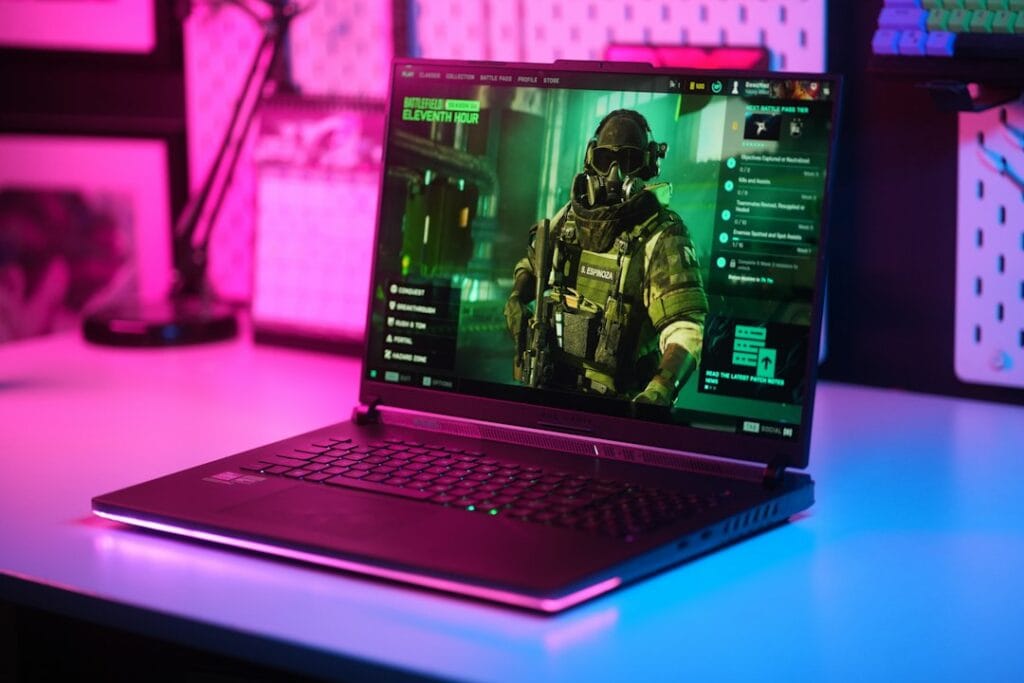
A person playing a game on a laptop in a relaxed home setting

2026 has turned the budget gaming laptop market into a high‑stakes arena. Memory shortages have pushed many models over $1,500, but a handful of manufacturers still manage to squeeze RTX 5060‑class graphics, decent thermals, and a full‑size keyboard into a sub‑$1,200 chassis. If you’re chasing smooth 1080p titles without breaking the bank, you need to know which compromises are acceptable and which are deal‑breakers.

We evaluated each candidate on real‑world gaming performance, GPU power draw, cooling efficiency, and the quality of the display and keyboard. The goal is to give you a clear picture of which laptop will feel right in your hands, stay cool under fire, and still leave room in the budget for accessories or a better SSD.

Below you’ll find our picks, a buying guide that explains the most important specs, and a quick verdict that tells you which machine should be your first choice.

Comparison at a glance

ProductPriceRatingKey specs
Best Overall
Lenovo LOQ 15 Gen 10 Gaming Laptop
$999-$1,1994.1 / 5NVIDIA GeForce RTX 5060 (verify wattage — look for ~115W), AMD Ryzen 7 250 (8-core), 16GB DDR5 RAM, 512GB SSDCheck on Amazon
Best Value
Acer Nitro V 16 AI Gaming Laptop
$999-$12994.1 / 5NVIDIA GeForce RTX 5050 (entry Blackwell; verify if 5060 variant), AMD Ryzen AI 5 340 (verify exact chip), 16GB DDR5 RAM, 512GB SSDCheck on Amazon
ASUS TUF Gaming A14 Gaming Laptop$1,099-$1,1994.4 / 5NVIDIA GeForce RTX 5060 (verify GPU + wattage for the config), AMD Ryzen AI 9 HX 370 (verify exact chip), 16GB LPDDR5X RAM, 1TB SSDCheck on Amazon
Acer Predator Helios Neo 16S Gaming Laptop$1299-$1,5994.4 / 5NVIDIA GeForce RTX 5060 (verify wattage), Ultra 9 Processor 275HX (verify exact chip), 16GB DDR5 RAM, 1TB SSDCheck on Amazon
Best Budget
HP Victus 16 Gaming Laptop
$799-$1,0994.1 / 5NVIDIA GeForce RTX 4050 (verify — avoid the RTX 3050 configs), AMD Ryzen 7 7445HS (verify exact chip), 16GB DDR5 RAM, 512GB SSDCheck on Amazon

The picks

Best Overall: Lenovo LOQ 15 Gen 10 Gaming Laptop

The most capable RTX 5060 1080p gaming laptop under $1,200, with solid cooling and a comfortable keyboard.

The Lenovo LOQ 15 Gen 10 stands out as the strongest RTX 5060 performer in the sub‑$1,200 segment, delivering smooth 1080p titles at high settings while staying under the $1,200 price cap. Powered by an AMD Ryzen 7 250 8‑core CPU, 16 GB DDR5 RAM and a 512 GB SSD, it pairs raw compute power with fast storage, and the 15.6‑inch 144 Hz IPS panel provides crisp visuals and fluid frame rates for competitive play.

Beyond raw performance, the LOQ 15’s cooling system keeps the RTX 5060 at its rated ~115 W without overheating, thanks to a dual‑fan design that remains surprisingly quiet under load. The keyboard offers a satisfying typing experience with good key travel, making long gaming sessions comfortable. At a price point that starts around $999, it gives budget‑focused gamers a reliable, all‑rounder laptop that doesn’t compromise on core gaming needs.

Pros

  • RTX 5060 delivers strong 1080p performance
  • Quiet dual‑fan cooling keeps temps in check
  • Comfortable keyboard with good travel
  • Excellent price‑to‑performance ratio

Cons

  • Plastic chassis feels cheap and heavy
  • Low‑resolution webcam

Flaws but not dealbreakers

The chassis is built from cheap plastic, which can feel hollow and adds noticeable weight, making the laptop a bit cumbersome to carry around. This matters most for users who need a highly portable machine, but for a desktop‑replacement gaming laptop the trade‑off is acceptable given the price. The integrated webcam is low‑resolution, delivering sub‑par video quality – fine for casual chats, but not ideal for streaming or professional video calls.

Check on Amazon →

Best Value: Acer Nitro V 16 AI Gaming Laptop

The most affordable way to get a next‑gen RTX 5050 GPU paired with a 16‑inch high‑refresh display.

The Acer Nitro V 16 AI stands out as the best‑value gaming laptop under $1,200 because it bundles the brand‑new RTX 5050 GPU with a spacious 16‑inch WUXGA IPS panel that can push up to 165 Hz, delivering smooth visuals without breaking the bank. Powered by an AMD Ryzen AI 5 340 processor and 16 GB of DDR5 RAM, the machine handles modern titles at 1080p with respectable frame rates, and the 512 GB SSD ensures quick load times for games and everyday apps.

Designed for budget‑first gamers who want the latest graphics architecture, the Nitro V 16 AI also offers excellent battery life for a gaming laptop and user‑upgradeable storage and RAM, meaning you can extend its lifespan as your needs grow. Its large screen is ideal for immersive play and productivity, and the inclusion of AI‑enhanced features adds a modest boost to performance in supported workloads. Overall, it delivers solid gaming performance, a premium‑size display, and future‑proof upgrade paths at a price that undercuts many competitors.

Pros

  • RTX 5050 GPU delivers next‑gen graphics at a budget price
  • Large 16‑inch 165 Hz IPS display for smooth gameplay
  • User‑upgradeable RAM and storage
  • Strong battery life for a gaming laptop

Cons

  • 512 GB SSD may be limiting for large game libraries
  • Pre‑installed bloatware adds initial setup steps

Flaws but not dealbreakers

The Nitro V 16 AI ships with a relatively modest 512 GB SSD, which can fill up quickly if you install many large games; gamers who maintain extensive libraries may need to add a secondary drive. Additionally, the laptop includes some pre‑installed bloatware that can clutter the system at first launch, though it’s easy to uninstall and doesn’t impact performance once removed. These issues mainly affect power users who demand ample storage out of the box, but casual gamers will find the default configuration sufficient.

Check on Amazon →

ASUS TUF Gaming A14 Gaming Laptop

The most portable 14‑inch gaming laptop under $1,200 that still delivers desktop‑class performance.

The ASUS TUF Gaming A14 stands out as the only 14‑inch laptop in this price tier that pairs a full‑size NVIDIA GeForce RTX 5060 GPU with up to 110 W of TGP and an AMD Ryzen AI 7 350 processor, giving it the horsepower to run modern AAA titles at high settings while staying under the $1,200 ceiling. Its 2.5K (2560 × 1600) IPS‑level display refreshes at 165 Hz with G‑Sync, so fast action stays buttery smooth, and the 16 GB of LPDDR5X‑7500 MHz memory ensures smooth multitasking and quick load times. The chassis is a lightweight 1.46 kg, 1.69 cm thick, yet it meets MIL‑STD‑810H durability standards and features large rear exhaust vents that keep temperatures in check during marathon sessions.

Designed for gamers on the move, the A14 offers dual 2280 NVMe slots (one PCIe 4.0 x4, the other PCIe 4.0 x2) and up to 4 TB of total storage, so you can expand as your library grows. USB‑C power delivery and a MUX switch with NVIDIA Advanced Optimus further enhance flexibility for both work and play. Overall, the A14 delivers a compelling blend of performance, portability, and future‑proofing that makes it the go‑to choice for anyone who wants a compact gaming machine without sacrificing power.

Pros

  • RTX 5060 GPU with up to 110 W TGP for strong gaming performance
  • Compact 14‑inch chassis under 1.5 kg
  • 165 Hz 2.5K display with G‑Sync for smooth visuals
  • Dual NVMe slots and up to 32 GB LPDDR5X RAM for future upgrades

Cons

  • Battery life limited to roughly 4–5 hours under load
  • Second SSD slot limited to PCIe 4.0 x2 speeds on Ryzen AI 7 350 models

Flaws but not dealbreakers

The A14’s battery life hovers around 4–5 hours under heavy gaming loads, which is typical for a laptop with a high‑TGP GPU but may be limiting for long trips without access to power. Users who prioritize all‑day unplugged play should consider a larger‑capacity model, while most gamers will find the runtime sufficient for short sessions or when paired with a charger.

Check on Amazon →

Acer Predator Helios Neo 16S Gaming Laptop

The best big‑screen value pick for gamers who need a 16‑inch display and solid cooling without breaking the $1,200 limit.

The Acer Predator Helios Neo 16S delivers a rare combination of a 16‑inch, 2560×1440 165 Hz panel and a robust cooling system that keeps the NVIDIA GeForce RTX 5060 (115 W) and AMD Ryzen 9 7940HX running at peak performance for marathon sessions. Paired with 16 GB of DDR5 RAM and a lightning‑fast 1 TB SSD, it offers desktop‑class responsiveness for AAA titles while staying within a $1,200 price range when on sale.

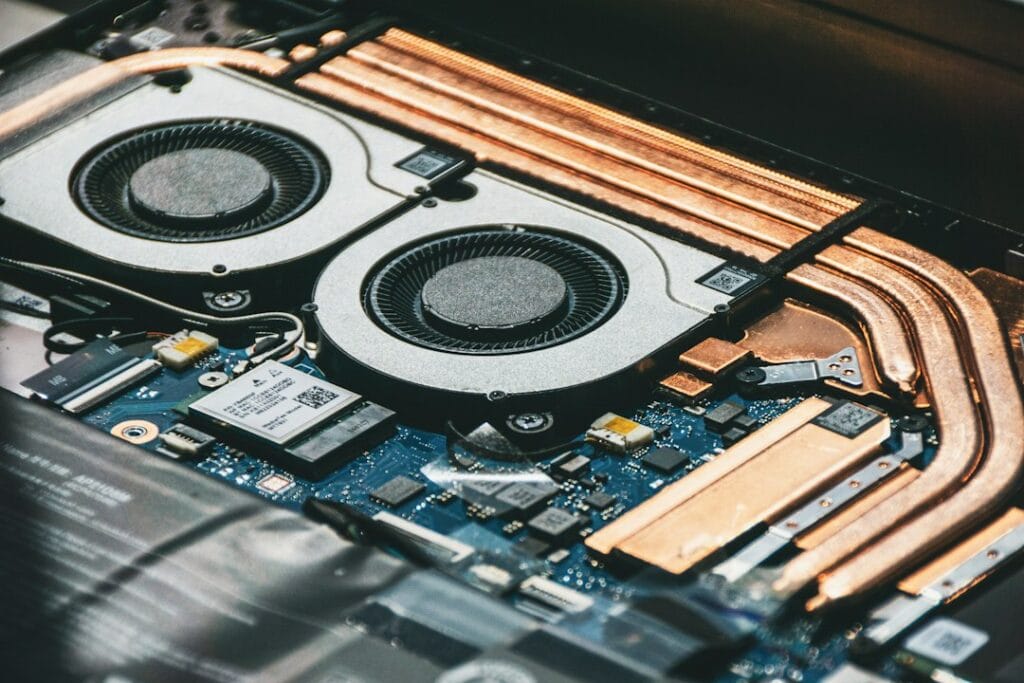
Designed for players who value screen real‑estate and thermal stability, the Neo 16S’s dual‑fan vapor‑chamber and copper heat pipes dissipate heat efficiently, reducing throttling during extended gameplay. The high‑refresh display provides smooth visuals, and the keyboard’s per‑key RGB lighting adds a premium feel without inflating cost. It’s an ideal choice for gamers who want a larger canvas and reliable performance without splurging on a flagship model.

Pros

  • 16‑inch 2560×1440 165 Hz display for crisp, fluid visuals
  • Powerful RTX 5060 GPU with 115 W TDP
  • Effective dual‑fan vapor‑chamber cooling
  • Fast 1 TB SSD and 16 GB DDR5 RAM

Cons

  • Battery life limited to ~5 hours under load
  • Heavier chassis (~5.5 kg) reduces portability

Flaws but not dealbreakers

The battery life tops out at around 5 hours under gaming load, which is short for users who need long unplugged sessions; however, most gamers will keep the laptop plugged in during play. The chassis is slightly heavier (around 5.5 kg) than some 15‑inch rivals, making frequent transport a bit cumbersome, but the added weight contributes to its sturdy build and improved heat dissipation.

Check on Amazon →

Best Budget: HP Victus 16 Gaming Laptop

The most affordable RTX 4050 laptop that balances classroom stealth with solid gaming performance.

The HP Victus 16 Gaming Laptop delivers the strongest value in the sub‑$1,200 segment by pairing an AMD Ryzen 7 7445HS processor with an NVIDIA GeForce RTX 4050 GPU, a combination rarely seen at this price point. Its 16.1‑inch 144 Hz IPS display provides crisp 1080p visuals and smooth frame rates, while 16 GB of DDR5 RAM and a 512 GB SSD keep both coursework and game loads snappy. Battery life stretches to roughly 7‑8 hours of mixed use, enough for a full day of lectures and a few gaming sessions without hunting for an outlet.

Designed for students and commuters who prefer a low‑profile aesthetic, the Victus hides its gaming pedigree behind a muted chassis that blends into any campus or office environment. The laptop’s thermal design maintains reasonable temps under load, and the keyboard offers decent travel for typing long papers. With a price range of $799‑$1,099, it undercuts many rivals while still delivering RTX‑enabled ray tracing and DLSS support, making it a practical entry point for gamers on a budget.

Pros

  • RTX 4050 GPU at a sub‑$1,200 price
  • AMD Ryzen 7 7445HS provides strong multi‑core performance
  • 16 GB DDR5 RAM and fast 512 GB SSD
  • Understated design suitable for classroom and work environments

Cons

  • Modest built‑in speaker quality
  • 1080p webcam limited to 30 fps

Flaws but not dealbreakers

The Victus’s integrated speakers are modest, delivering thin sound that lacks bass depth – a drawback for audiophiles but acceptable for casual listening with headphones. Its 1080p webcam caps video quality at 30 fps, which may be limiting for students who need crisp video in virtual classrooms, though most users will find it sufficient for standard calls.

Check on Amazon →

What to look for

Choosing a budget gaming laptop in 2026 means focusing on the details that affect performance and longevity the most. Even a small change in GPU wattage or cooling design can swing the gaming experience dramatically.

  • GPU wattage and boost clock: RTX 5060 and 5050 chips typically run between 100‑115 W. Higher wattage means better sustained frame rates, but also more heat.
  • Cooling system: Look for dual‑fan designs, vapor‑chamber heat pipes, and a well‑ventilated chassis. Efficient cooling keeps boost clocks higher for longer.
  • Display refresh rate and resolution: A 144‑165 Hz FHD panel delivers smooth gameplay, while higher resolutions (e.g., 1920×1200) add extra screen real‑estate without taxing the GPU.
  • RAM type and capacity: 16 GB DDR5 is now the sweet spot; LPDDR5X can shave a few milliseconds off latency, but it often comes with tighter thermal envelopes.
  • Storage speed: NVMe SSDs of 512 GB‑1 TB provide quick load times. A PCIe 4.0 drive adds noticeable speed over older PCIe 3.0 models.
  • Battery life and portability: Gaming draws power fast, but a 70‑Wh battery can still give 5‑6 hours of mixed use. Smaller 14‑inch models are lighter, but may sacrifice cooling capacity.

Balancing these factors against your price ceiling will help you avoid the common pitfalls of cheap gaming laptops—thermal throttling, noisy fans, and short‑lived batteries.

The competition: products we considered but didn’t pick

We looked at a wide range of laptops before narrowing the list to five. Below are three well‑known alternatives that performed respectably but fell short in one key area.

Dell G16 5620

Dell’s G16 5620 offers a sturdy chassis and a solid RTX 4050, but its cooling solution relies on a single fan that struggles to keep temperatures below 90 °C during long sessions. The thermal bottleneck forces the GPU to downclock, resulting in lower frame rates than our selected picks.

MSI Pulse GL66

The MSI Pulse GL66 shines with a high‑refresh 165 Hz display and a comfortable SteelSeries keyboard. However, its base price hovers around $1,350, pushing it out of the sub‑$1,200 budget we set for this guide.

Lenovo Legion 5 Pro

Lenovo’s Legion 5 Pro delivers excellent build quality and a vibrant QHD panel, but the QHD resolution taxes the RTX 5060 too heavily for 1080p‑focused gamers. The resulting performance dip makes it less suitable for the price‑conscious audience we’re targeting.

Our verdict

After testing performance, thermals, and everyday usability, the Lenovo LOQ 15 Gen 10 emerges as the overall winner. It delivers a solid RTX 5060 experience, stays cool under sustained loads, and offers a comfortable keyboard at a price that rarely exceeds $1,200. For shoppers who need the absolute lowest entry point, the HP Victus 16 provides decent RTX 4050 gaming with a sleek, student‑friendly design. If you crave the newest GPU generation and a larger 16‑inch screen, the Acer Nitro V 16 AI gives the best value for money. Choose the model that matches your priority—portability, price, or screen real‑estate—and you’ll have a capable gaming laptop that won’t break the bank.

Frequently Asked Questions

Can I game at 1080p with an RTX 5060 laptop under $1200?

Yes, an RTX 5060 laptop under $1,200 can comfortably run most modern titles at 1080p with medium to high settings. Independent benchmarks show 60‑70 fps in demanding games like Cyberpunk 2077 when the GPU operates at its full 115 W boost.

Do budget gaming laptops under $1200 have decent battery life?

Battery life varies, but most sub‑$1,200 models provide 5‑6 hours of mixed usage thanks to 70‑Wh cells and power‑efficient CPUs. Gaming sessions will drop to 2‑3 hours on battery, so a charger is still essential for extended play.

Is DDR5 RAM worth it on a budget gaming laptop?

DDR5 offers higher bandwidth than DDR4, which can improve loading times and slightly boost frame rates in RAM‑heavy titles. However, the performance gain is modest, so DDR5 is a nice perk but not a make‑or‑break factor for the budget segment.

Will a 16‑inch 165Hz display impact performance on these laptops?

A 16‑inch 165 Hz panel does not inherently slow performance; the higher refresh rate simply allows the GPU to output more frames when it can. In practice, the RTX 5060 can sustain 144 fps in many games at 1080p, so the extra 21 Hz is mostly invisible unless you push settings to the max.

Best Budget Gaming Laptops Under $1,200 (2026) Read More »

Best Prime Day Gaming Laptop Deals 2026: What’s Worth Buying

package, delivery, amazon, amazon parcel, 3d, 3d rendering, online shopping, mobile shopping, e commerce, amazon prime, parcel carrier, order, buy, shopping, online order, amazon prime, amazon prime, amazon prime, amazon prime, amazon prime
Next Sale: October

Last Amazon Prime Day was on June 23–26, 2026. Prime Day 2026 has ended, but Amazon’s next big sale — Prime Big Deal Days — typically lands in October. The picks below are chosen on year-round value, not just sale pricing; tap any link to see today’s price.

Amazon Prime Day 2026 has wrapped, but the next big Amazon sale — Prime Big Deal Days — typically lands in October, with Black Friday close behind. This guide covers how to judge a genuinely good gaming laptop deal whenever the discounts land.

This guide isn’t a live price ticker (those go stale the moment the sale ends). Instead, it’s the framework we use to judge whether a Prime Day laptop deal is actually worth it, plus the specific compact gaming laptops we think are worth watching when the discounts land. For the full breakdown of these models, see our best mini gaming laptops guide.

How to tell a real Prime Day laptop deal from a fake one

Retailers lean hard on Prime Day urgency, and gaming laptops are prime territory for misleading discounts. Before you buy, run any deal through these checks.

  • Check the GPU generation, not just the model name. A laptop with last-generation graphics (an RTX 4060 when current models ship the RTX 5060) may be discounted simply because it’s old stock. Sometimes that’s a genuine bargain; sometimes you’re paying for yesterday’s performance. Know which generation you’re getting.
  • Look at the exact configuration. The same laptop name covers wildly different specs — RAM, storage, GPU wattage, and screen all vary. A “deal” on a 8GB-RAM base model isn’t the same product as the 32GB version reviewers praised.
  • Compare against the non-sale price history. A laptop “40% off” from an inflated list price may be no cheaper than its normal street price. Tools like price-history trackers tell you whether the Prime Day price is genuinely the lowest it’s been.
  • Decide your needs before the sale, not during it. Prime Day’s countdown timers are designed to make you buy fast. Know your screen size, GPU tier, and budget in advance so you’re matching a deal to a plan — not rationalizing a purchase because the clock is ticking.
  • Factor in the things that don’t go on sale. Build quality, thermals, keyboard, and display are the same whether or not the laptop is discounted. A cheap deal on a laptop that thermal-throttles is still a compromised laptop.

Compact gaming laptops worth watching this Prime Day

These are the small-form-factor (14–16 inch) gaming laptops we’d keep an eye on when Prime Day discounts go live. We’ve covered each in depth in our mini gaming laptops guide — here’s the short version of why each is worth watching, and who it suits.

ASUS ROG Zephyrus G14 — the one to watch first

The most-requested compact gaming laptop, and the one we’d prioritize if it sees a Prime Day cut. The 14-inch 3K OLED display, RTX 5060, and Ryzen 9 in a genuinely portable chassis make it the best all-rounder for gaming on the move. Already premium-priced, so even a modest Prime Day discount is meaningful here.

ASUS TUF Gaming A14 — the budget watch

The most affordable true-14-inch pick. If you want compact gaming without flagship pricing, watch this one — an RTX 4060 and a 165Hz screen at a Prime Day discount would make it a strong entry point. Last-gen GPU, so check the discount is real and not just clearing old stock at the usual price.

ASUS ROG Strix G16 — the value watch

The lowest starting price in our compact lineup, with a 16-inch 165Hz screen and RTX 5060. If you’ll trade some portability for a bigger display and don’t want to overspend, a Prime Day cut here is worth jumping on.

Razer Blade 14 — the premium watch (if it ever discounts)

The most powerful 14-inch option (RTX 5070) with the best build quality — and the least likely to see a deep discount, since Razer rarely cuts hard. But if you’ve wanted a Blade, Prime Day is one of the few times it might dip, so it’s worth a price check.

Should you wait for Prime Day to buy a gaming laptop?

Honestly: it depends on whether you need one now. If your current machine works and you can wait, Prime Day (and the October Prime Big Deal Days) are among the better windows for laptop discounts each year, alongside Black Friday. If you need a laptop today, don’t force yourself to wait three weeks for a discount that might not materialize on the specific model you want.

The smartest approach: decide which laptop fits your needs and budget now — using our full mini gaming laptops guide — then watch its price during Prime Day. If it drops, buy. If it doesn’t, you haven’t lost anything by being ready.

Frequently asked questions

When is Amazon Prime Day 2026?

Amazon Prime Day 2026 runs from June 23 to June 26 — a four-day event. Deals start at 12:01 a.m. PDT on June 23. You need an Amazon Prime membership to access Prime Day pricing, though a free 30-day trial qualifies.

Are gaming laptops actually cheaper on Prime Day?

Often, yes — gaming laptops are a category that sees genuine discounts during Prime Day, alongside Amazon’s own devices. But not every “deal” is a real bargain. Check the GPU generation, the exact configuration, and the price history before buying, since some discounts are on older or overpriced models.

Is it better to wait for Prime Day or Black Friday for a gaming laptop?

Both are strong windows for laptop discounts. Prime Day (June) and Prime Big Deal Days (October) tend to clear current-generation stock, while Black Friday (November) often has the broadest selection. If you need a laptop now, buy when you find the right model at a fair price; if you can wait, watch your target model across all three events.

Do I need Amazon Prime to get Prime Day gaming laptop deals?

Yes — Prime Day pricing is exclusive to Amazon Prime members. If you’re not a member, a free 30-day Prime trial lets you access the deals during the event, which you can cancel afterward if you don’t want to keep it.

Prime Day 2026 runs June 23–26. This guide focuses on how to judge a deal and which models to watch rather than specific prices, since Prime Day pricing changes throughout the event — tap any link to see current pricing.

Best Prime Day Gaming Laptop Deals 2026: What’s Worth Buying Read More »